What's Happening in Fine Blanking — and Why It Matters to Your Production
HS-FINEB monitors fine blanking industry trends, technology developments, and market shifts to help our clients make informed production decisions. From servo-hybrid press technology to EV manufacturing transitions, from advanced high-strength steel challenges to refurbishment economics — we share what we learn from four decades of building and servicing fine blanking equipment. These insights come directly from our factory floor, our engineering lab, and our clients' production lines.
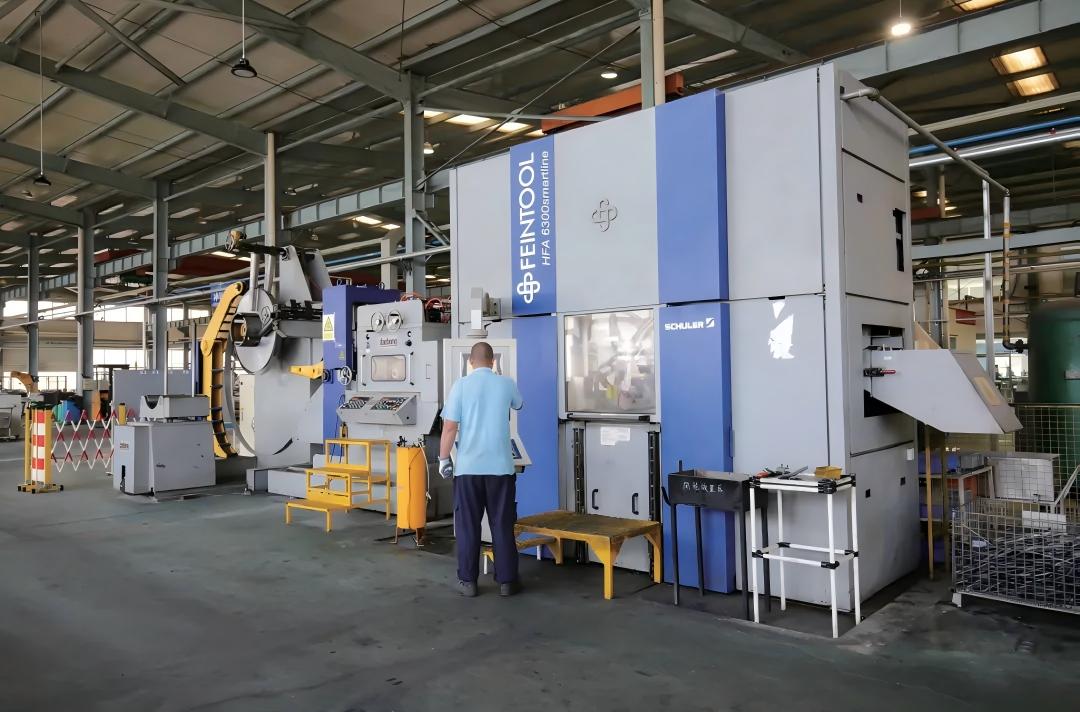
The industry is moving toward servo-hybrid drives that combine hydraulic force with electric servo precision. Schuler and Feintool have introduced hybrid models in 2025-2026. HS-FINEB's engineering team analyzes what this means for part quality, energy consumption, and maintenance costs — and whether the 30% price premium is justified for most applications. For high-mix production environments, the flexibility of servo control may justify the investment; for dedicated high-volume lines, the traditional hydraulic approach remains cost-optimal.
Read more →
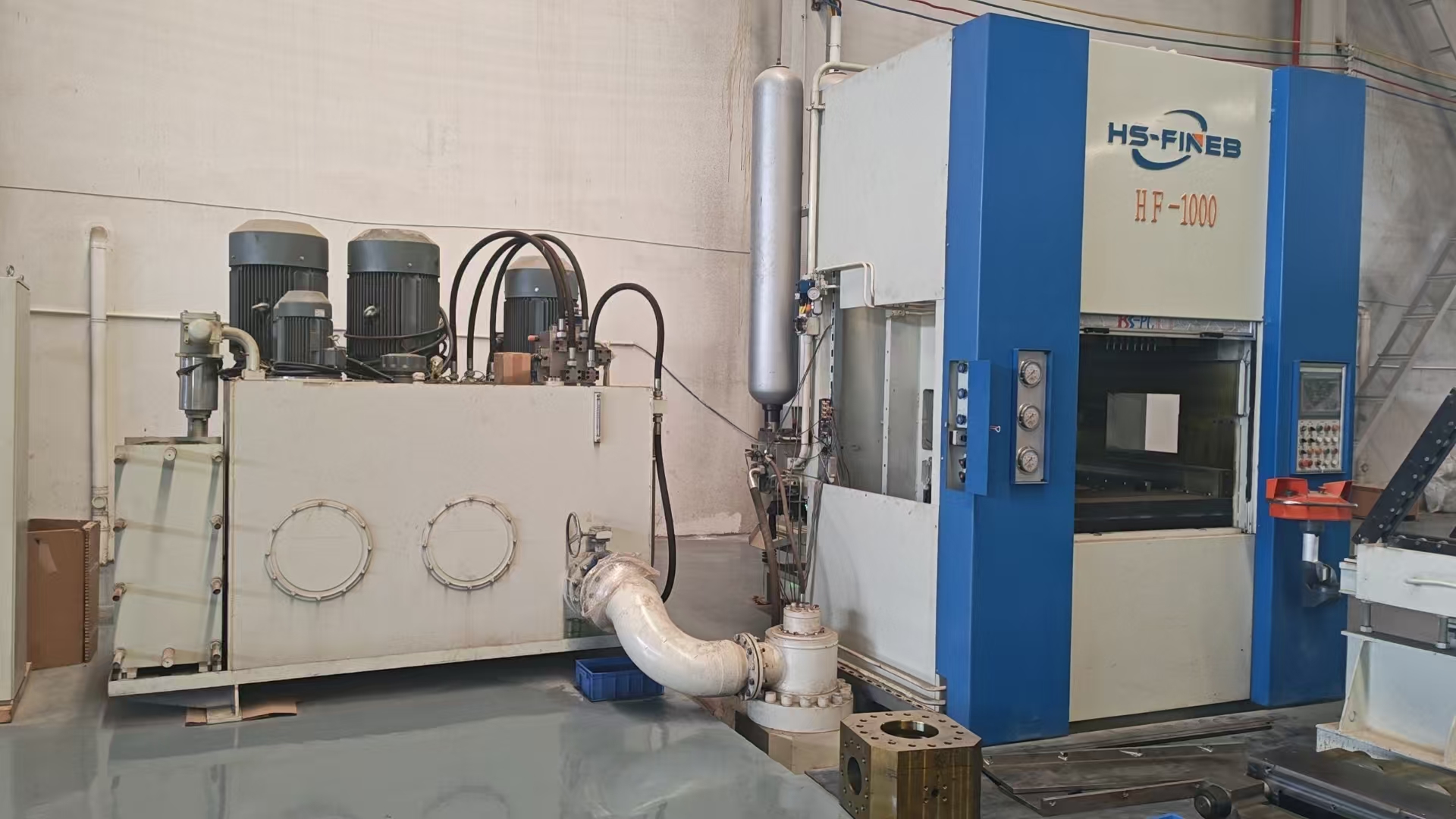
China's fine blanking press manufacturing capacity has grown 18% year-over-year, with domestic builders like HS-FINEB closing the technology gap with European brands. Key developments: wider tonnage range availability (200T-1200T), improved CNC controls, and competitive pricing at 40-60% of European equivalents. The shift reflects both growing domestic demand and increasing export activity to Southeast Asia and Eastern Europe, where buyers increasingly recognize Chinese-built presses as viable alternatives.
Read more →
As EVs replace combustion engines, fine blanking applications are shifting. Traditional engine components decline, but new opportunities emerge: battery tray brackets, motor lamination stacks, thermal management plates, and structural battery enclosures. We analyze which fine-blanked EV parts offer the highest growth potential. We project that fine-blanked EV structural components will grow at 15-20% annually through 2030, driven by global electrification mandates.
Read more →
A well-maintained fine blanking press can produce precision parts for 20+ years. This article outlines the 5-tier maintenance framework: daily lubrication, weekly inspection, monthly hydraulic analysis, annual calibration, and 5-year major overhaul. Based on HS-FINEB's 40 years of press building and service experience. Following this framework, several HS-FINEB-built presses have exceeded 25 years of continuous production without major frame issues.
Read more →
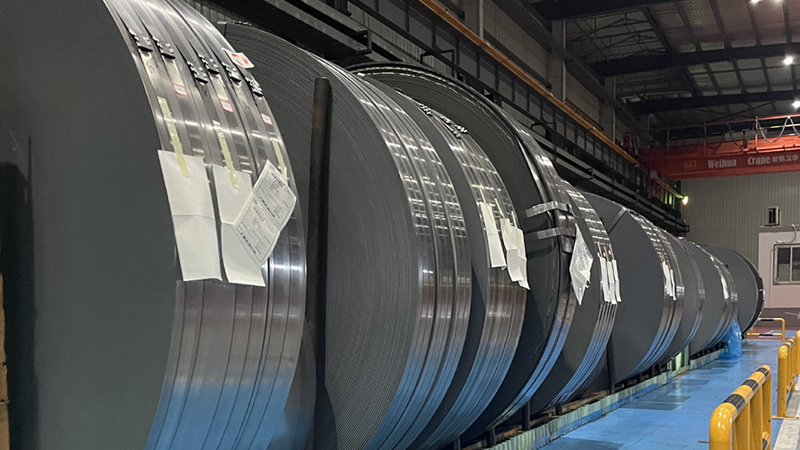
AHSS grades (980MPa, 1180MPa) are increasingly specified for automotive structural parts. These materials challenge fine blanking: higher tonnage requirements, edge cracking tendency, and reduced die life. We present solutions: optimized V-ring geometry, increased counter-pressure, and PM steel dies with TiCN coating. Early results show 40% die life improvement with TiCN-coated PM steel dies on 980MPa material, making fine blanking of AHSS economically viable.
Read more →
Many Feintool and Mori presses installed in 2005-2010 are now past their OEM service contract periods. Owners face a choice: renew expensive OEM contracts, or switch to independent service providers. We analyze the cost difference and service quality comparison, with real examples from HS-FINEB's independent refurbishment projects. Independent providers typically charge 40-60% less than OEM contracts while offering equivalent or faster response times.
Read more →
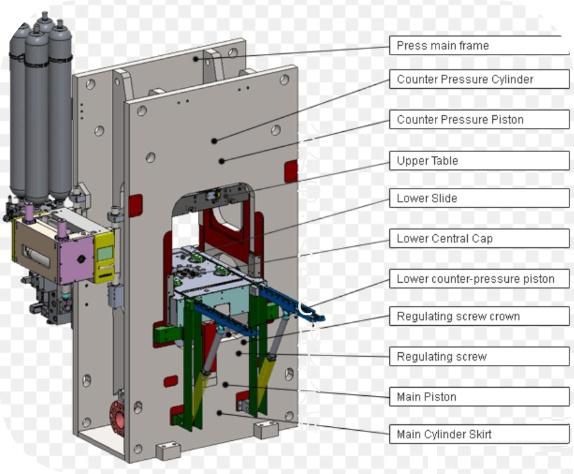
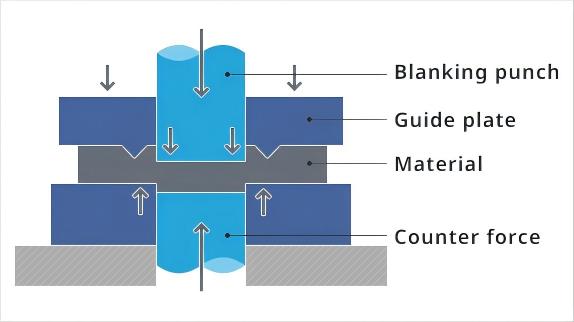
The three-force control system is the core technology of fine blanking. Learn how independent hydraulic circuits and proportional valves achieve accuracy for perfect edge quality across HS-FINEB press range.
Read more →
Hydraulic fluid cleanliness directly impacts press reliability. Learn ISO 4406 cleanliness codes, filter selection, oil sampling, and how particle contamination causes proportional valve failures.
Read more →
Ram parallelism directly affects die life and part flatness. Learn measurement methods, tolerance bands, gib adjustment, and how poor parallelism reduces die life by 40%.
Read more →
Should you refurbish or replace your aging press? Cost-benefit analysis covering refurbishment cost, accuracy recovery, and ROI comparison vs new press purchase.
Read more →
Corner radius design rules for fine blanking: minimum internal and external radii, stress concentration factors, and how proper radii prevent die chipping and extend die life by 200%.
Read more →
Hole spacing design rules for fine blanking: minimum web thickness, edge-to-hole distances, and how proper spacing prevents material deformation and die breakage.
Read more →
Burr direction affects assembly and function. Learn how die design controls burr side, burr height tolerances, and design rules for burr-side functional surfaces.
Read more →
Fine blanking EV busbars from copper and aluminum: material selection, edge quality for battery insulation, burr-free cutting, and press force requirements for conductive materials.
Read more →
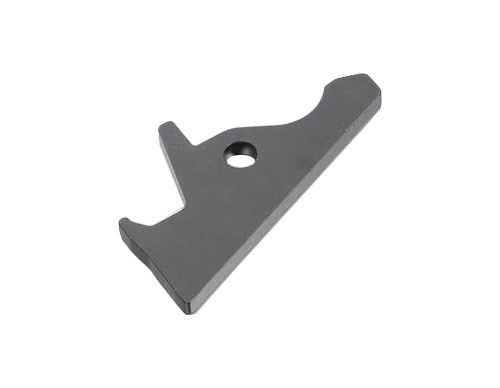
Aerospace seat latch fine blanking: 17-4PH stainless, edge quality for fatigue resistance, AS9100 certification, and tight tolerances for safety-critical parts.
Read more →
Medical implant fine blanking: 316L and titanium materials, cleanroom requirements, edge quality for biocompatibility, burr-free cutting, and ISO 13485 validation.
Read more →
Hydraulic valve plate fine blanking: flatness requirements, sealing surface quality, edge quality for sealing, and how fine blanking achieves sealing-grade surfaces without secondary machining.
Read more →
HB 250 is the practical upper hardness limit for fine blanking. Learn why harder materials reduce die life, increase tonnage, and how heat treatment strategies optimize performance.
Read more →
Grain structure directly affects fine blanking edge quality. Learn how grain size, orientation and cold-rolled vs annealed structures influence die roll, shear zone, and part accuracy.
Read more →
Cold-rolled vs hot-rolled steel for fine blanking: surface finish, dimensional tolerance, grain structure, cost comparison, and why cold-rolled is preferred for precision parts.
Read more →
Fine blanking die manufacturing: CNC machining for roughing, EDM for hardened steel detailing, precision grinding for cutting edges, and how each process affects die accuracy.
Read more →
Quick-change die insert systems: cartridge design, pre-set inserts, changeover time reduction from 4 hours to 30 minutes, and modular die design for better press utilization.
Read more →
Stroke-count maintenance model: tracking die life, predictive resharpening intervals, condition monitoring sensors, and data-driven maintenance extending die life by 30%.
Read more →
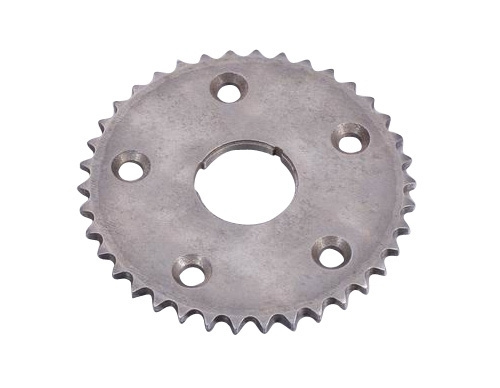
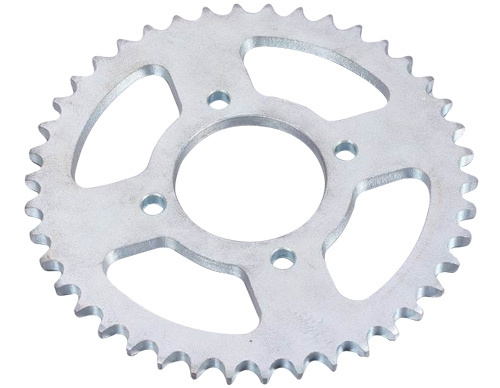
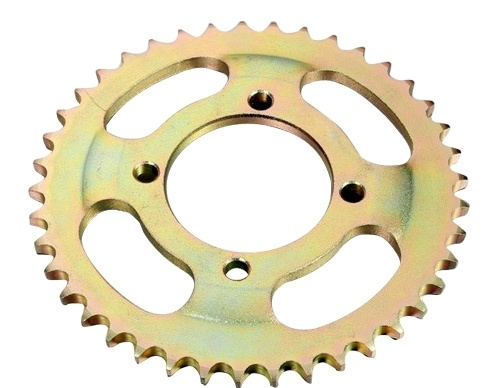
Sprocket gear fine blanking: tooth profile accuracy, pitch diameter control, material selection for wear resistance, and cost advantages over hobbing for high-volume production.
Read more →
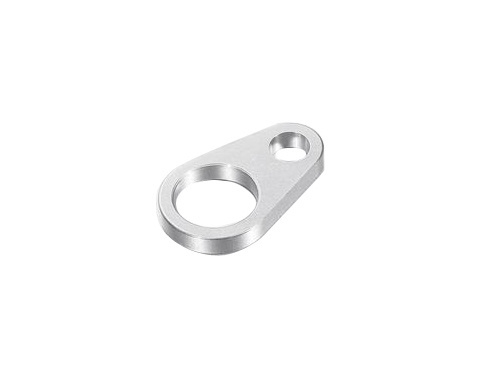
Mounting bracket production via fine blanking: hole pattern accuracy, flatness control, load-bearing capability, and design guidelines for automotive and industrial applications.
Read more →
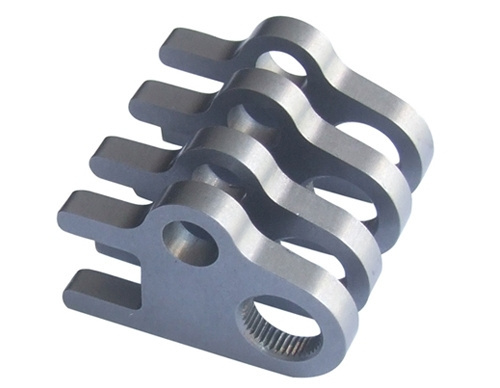
Chain link fine blanking: tensile strength requirements, pin hole precision, fatigue life optimization, and material specifications for automotive timing chains.
Read more →
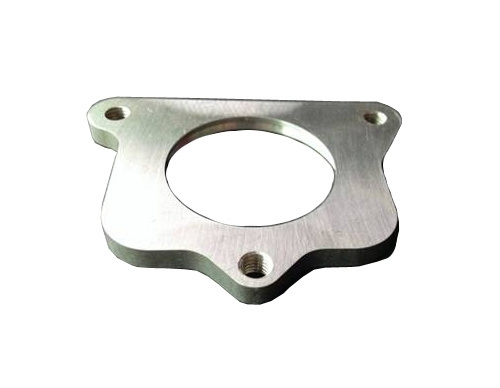
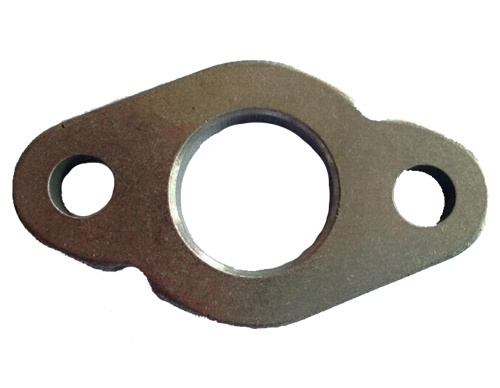
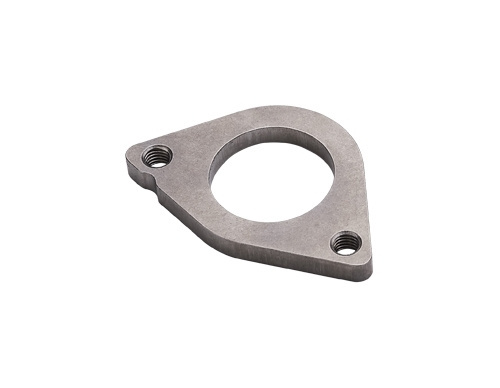
Flange plate fine blanking: surface flatness for gasket sealing, bolt pattern accuracy, edge quality for pressure applications, and dimensional tolerance capabilities.
Read more →
Lock cylinder and mechanism components: pin tumbler precision, cam geometry, surface finish for smooth operation, and production volume economics.
Read more →
Motor bracket fine blanking: stiffness optimization, vibration damping geometry, mounting tolerance, and material selection for electric motor applications.
Read more →
Microalloyed steel processing: case hardening grades, blanking force requirements, heat treatment integration, and automotive drivetrain applications.
Read more →
Cold-rolled steel grades comparison: carbon content, formability ratings, edge quality performance, and application selection guide for fine blanking.
Read more →
316L stainless steel processing: work hardening behavior, tool wear management, galling prevention, and applications in medical devices and marine hardware.
Read more →
Silicon steel for motor cores: non-oriented vs grain-oriented grades, burr height control for lamination stacking, and die material selection for high-volume production.
Read more →
Carbon footprint methodology, material efficiency with 8-15% scrap rates, biodegradable lubricants, EU Green Deal compliance, and ISO 14001 certification.
Read more →
Hydraulic vs servo energy consumption, power calculation formulas, annual cost calculator, accumulator regeneration, and real-world servo conversion case study.
Read more →
Step-by-step fine blanking process: feeding, clamping, blanking, ejection. V-ring mechanics, three-force system, shear zone formation, and stamping comparison.
Read more →
Complete die lifecycle: DfFB consulting, manufacturing, tryout, production support, preventive maintenance, resharpening economics, retirement criteria, and TCO analysis.
Read more →
Comprehensive capability specifications: material thickness 0.5-12mm, press tonnage 200T-1200T, shear zone ≥90%, tolerance ±0.01mm, flatness 0.05mm/10mm, part geometry limits, and production throughput benchmarks.
Read more →
Five-process comparison across tolerance, edge quality, speed, cost and volume: fine blanking vs conventional stamping, progressive die, laser cutting, and wire EDM with decision matrix for process selection.
Read more →
CNC control, automated production lines, quick die change, remote monitoring, predictive maintenance, and IoT integration for smart manufacturing with HF-series hydraulic presses.
Read more →
Why fine blanking is ideal for PEM fuel cell bipolar plates: 316L stainless steel processing, ±0.02mm flow channel tolerance, flatness ≤0.05mm, and comparison with etching and hydroforming.
Read more →
Engineers and buyers' most common questions: tolerances, materials, press selection, tooling lifespan, cost reduction, 3D features, and when to choose fine blanking over alternative processes.
Read more →
Complete installation from site preparation to production handover: foundation requirements, mechanical installation, electrical setup, die trial, operator training, and global on-site support.
Read more →Every article on this page connects directly to decisions you face on your production floor. Should you invest in servo-hybrid technology now, or wait for the second generation? Is your Feintool press worth refurbishing, or is it time for a new HF-series machine? Will your current die steel handle the AHSS grades your automotive customer is specifying next year? We do not write abstract trend pieces — we translate industry developments into actionable guidance for fine blanking production managers, tooling engineers, and procurement teams. When a new material grade, press technology, or market shift affects your bottom line, you will read about it here first, with the technical depth to make a confident decision.
Have a specific question about any of these topics? Our engineering team responds within one business day with technical analysis tailored to your application — whether you run an HS-FINEB press, a Feintool, or a Mori.