
Complete Installation & Commissioning Process
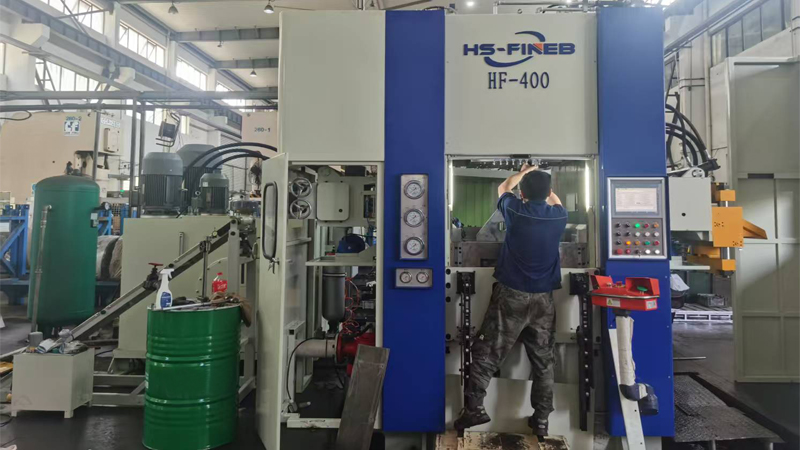
Our structured seven-phase approach ensures every press installation meets HS-FINEB quality standards and customer production requirements from day one.
Pre-Installation Site Preparation
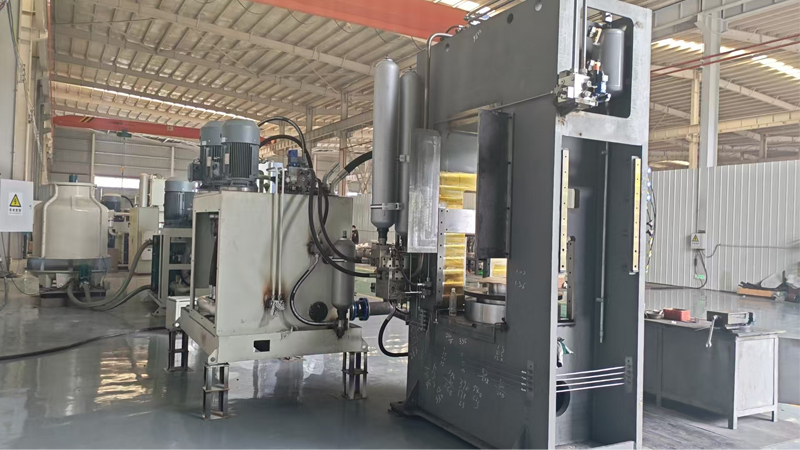
Successful installation begins with site preparation. The foundation must support static weight plus dynamic forces. For HF series presses from 200 to 1200 tons, foundation drawings account for soil conditions, seismic requirements, and load distribution.
Power requirements vary by model. Main motor, hydraulic pumps, controls, and auxiliary equipment need three-phase power with voltage stability within plus or minus 5 percent. Our engineers review local infrastructure and recommend upgrades.
Hydraulic oil specification is critical for reliability. HS-FINEB recommends anti-wear hydraulic oil ISO VG 46 for temperatures of 15 to 40 degrees Celsius, with viscosity adjustments for extreme climates. Filtration must achieve NAS 8 cleanliness to protect hydraulic valves.
Space layout must accommodate press footprint, decoiler positioning, feeding alignment, die storage, maintenance access, and operator stations. Our engineers use CAD modeling to optimize material flow and safety compliance.
Delivery & Unloading
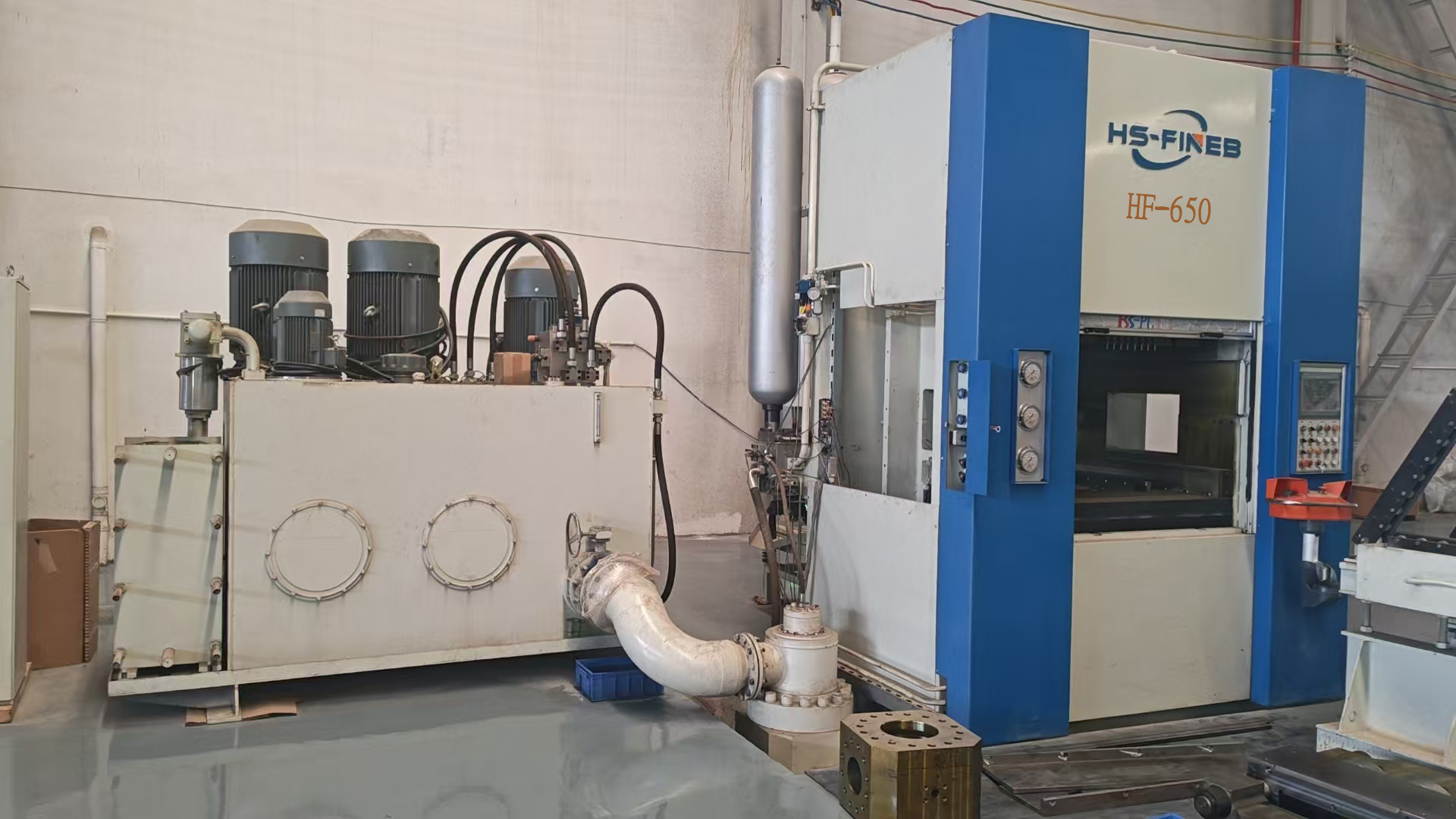
HS-FINEB presses are shipped in purpose-built sea containers with custom steel bracing and shock-absorbing packaging designed to protect precision components during ocean freight and inland transport. The main press body, hydraulic power unit, control cabinet, and auxiliary equipment are packed in separate modules to optimize container space and facilitate staged unloading.
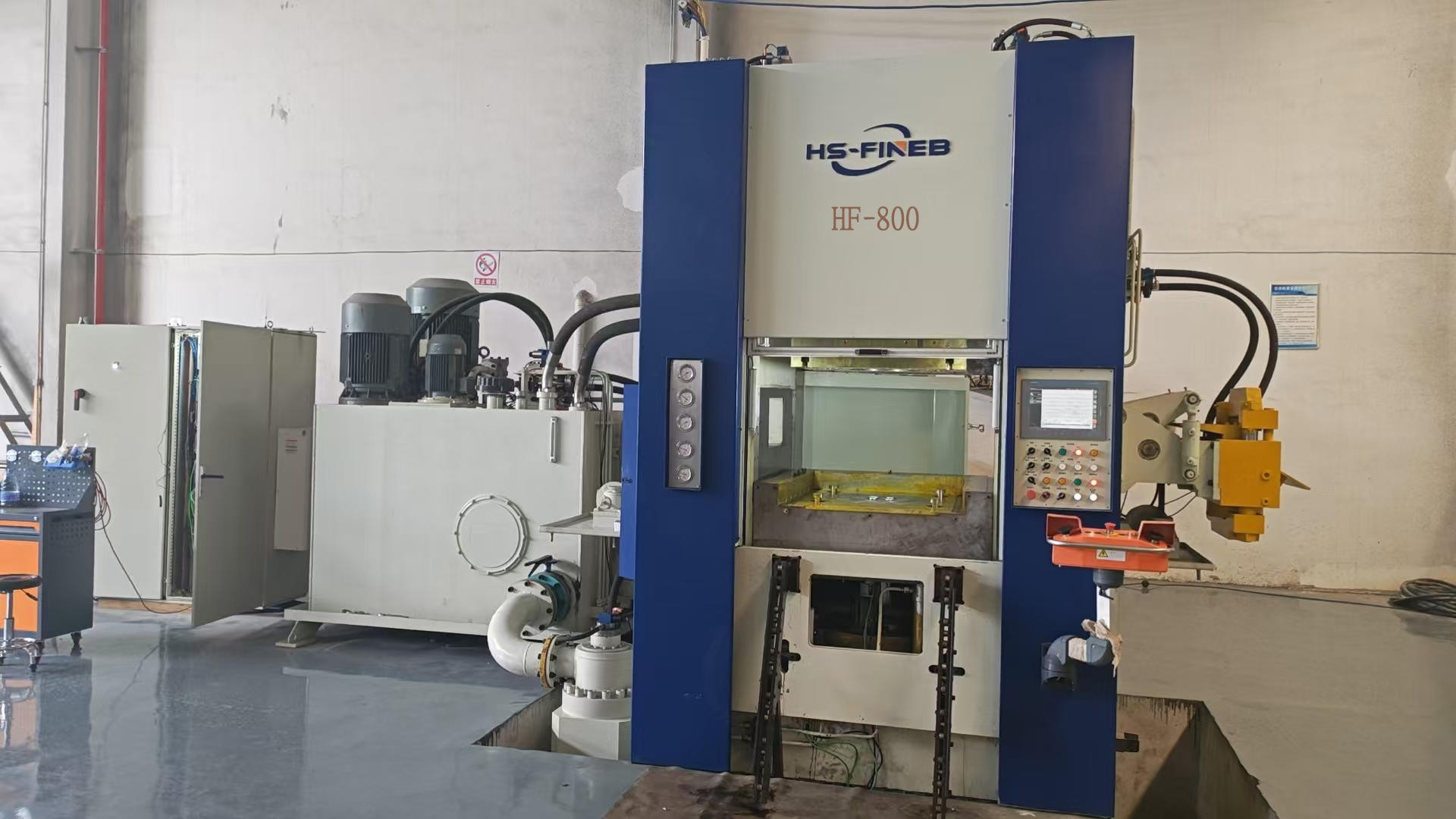
Container unloading requires adequate overhead crane capacity, typically matching or exceeding the press weight divided by the number of lifting points. For large HF-800 and HF-1200 models, dual-crane synchronized lifting may be necessary. Our installation team supervises unloading to ensure proper sling placement and load distribution, preventing any frame distortion during the critical transfer from container to factory floor.
Protective measures during unloading include maintaining the press in its factory-sealed moisture-barrier packaging until final positioning, avoiding shock loads or sudden stops, and using only certified lifting equipment with valid inspection certificates. The foundation surface is cleaned and inspected before the press base plate makes contact.
Our logistics coordinators manage customs clearance, inland transport, and port handling in coordination with local freight forwarders. For remote or landlocked destinations, we develop specialized transport plans including flatbed trucks, rail transfer, or heavy-lift aircraft as required.
Mechanical Installation
Precision mechanical installation establishes the foundation for decades of reliable press operation. Our certified installation engineers follow standardized protocols refined through hundreds of global installations.
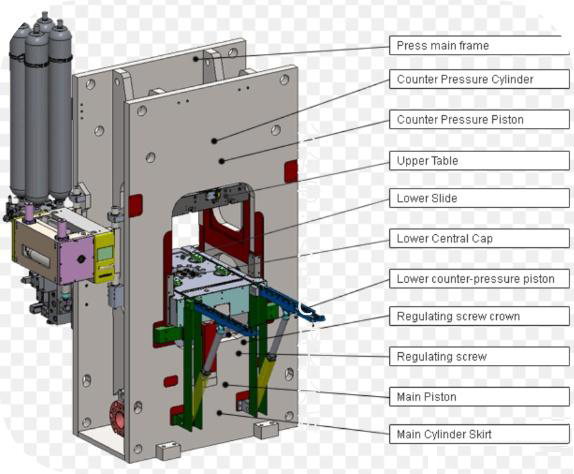
Leveling and Alignment: The press base plate is positioned on the foundation and leveled using precision machinist levels with 0.02 mm per meter sensitivity. Adjustable leveling screws or precision shims achieve final level within 0.05 mm per meter in both longitudinal and transverse directions. This ensures even load distribution across the frame and prevents slide guiding wear caused by angular misalignment.
Anchor Bolts and Grouting: After leveling verification, anchor bolts are tensioned to specified torque values and the base plate is grouted with high-strength non-shrink cementitious grout. Grout curing time of 48 to 72 hours is observed before applying operational loads. This rigid connection between press and foundation dampens vibration and maintains geometric stability under full cutting forces.
Slide and Drive Assembly: The slide assembly, connecting rods, and main drive components are installed with calibrated torque tools and verified against factory assembly records. Slide parallelism relative to the bolster plate is measured at multiple points using dial indicators and adjusted through gib strip shimming until tolerance is within 0.02 mm over the full slide surface.
Hydraulic Piping Connection: The hydraulic power unit is connected to the press via high-pressure stainless steel piping with orbital welded or precision flared joints. Every connection is pressure-tested at 1.5 times working pressure and inspected for leakage. Pipe runs are secured with anti-vibration clamps and routed away from heat sources to maintain oil temperature stability.
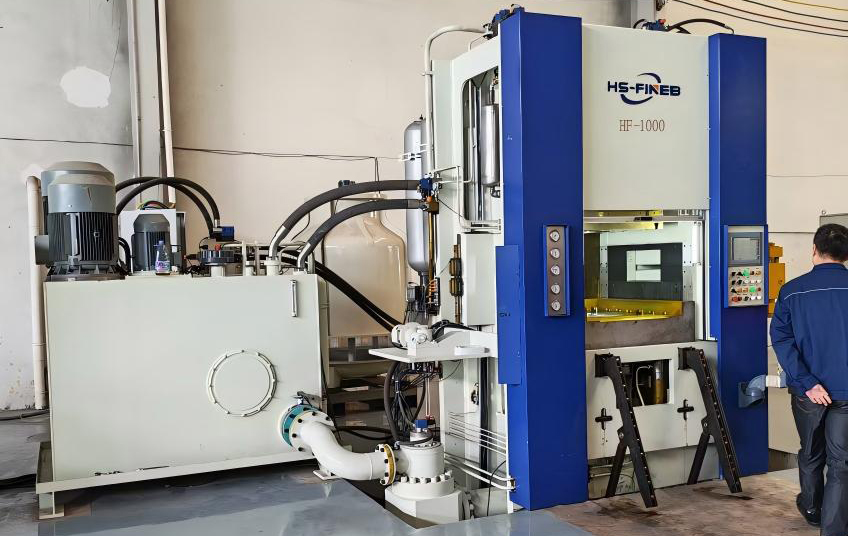
Electrical & Control System Setup
Modern fine blanking presses rely on sophisticated electrical and control systems. HS-FINEB installation engineers configure every component to factory specifications and local operational requirements.
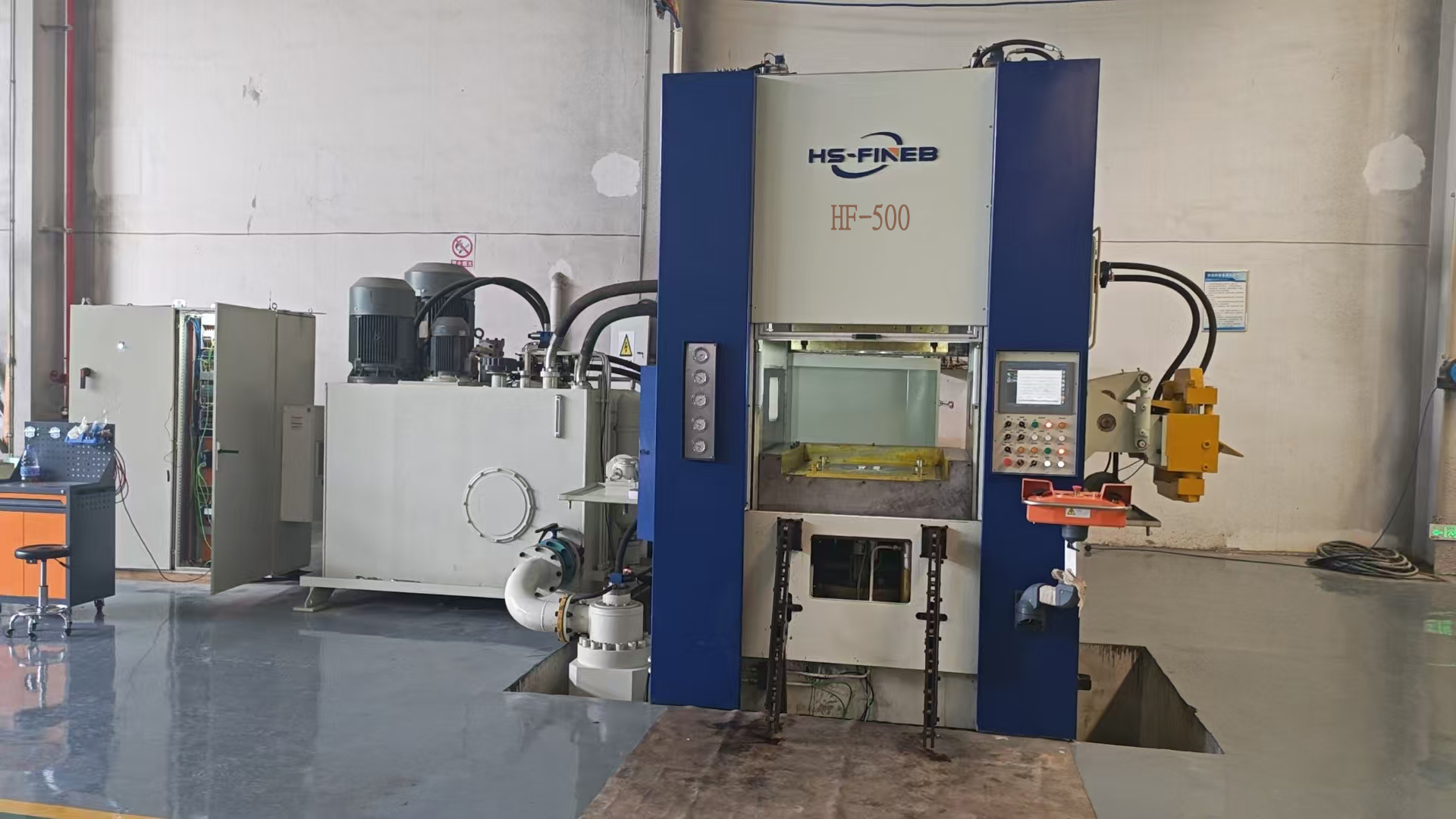
Power Connection: Main power is connected through appropriately rated circuit breakers and isolation transformers to protect sensitive control electronics from voltage spikes and harmonics. Phase sequence is verified to ensure correct motor rotation direction. Grounding resistance is measured and must not exceed 4 ohms for personnel safety and electromagnetic compatibility.
Control Cabinet Configuration: The programmable logic controller, servo drives, proportional valve amplifiers, and safety relays are inspected for transport damage and configured with factory-default parameters. Software versions are verified against release documentation and updated if necessary. All input and output signals are tested using the built-in diagnostic utilities.
HMI Configuration: The human-machine interface is configured with the correct language, unit system, and operational parameters for the target market. User access levels are established for operators, maintenance technicians, and supervisors. Production counters, stroke speed limits, and alarm thresholds are set according to the specific press model and customer requirements.
Safety System Testing: Every safety function is individually tested and documented. Light curtains, two-hand controls, emergency stop circuits, door interlocks, and hydraulic overload protection are verified against relevant safety standards including ISO 13849 and local machinery directives. Functional safety certificates are issued upon successful completion of all tests.
Die Trial & First Article Inspection
The die trial phase validates that press, die, and process parameters are correctly matched to produce parts meeting all dimensional and quality requirements.
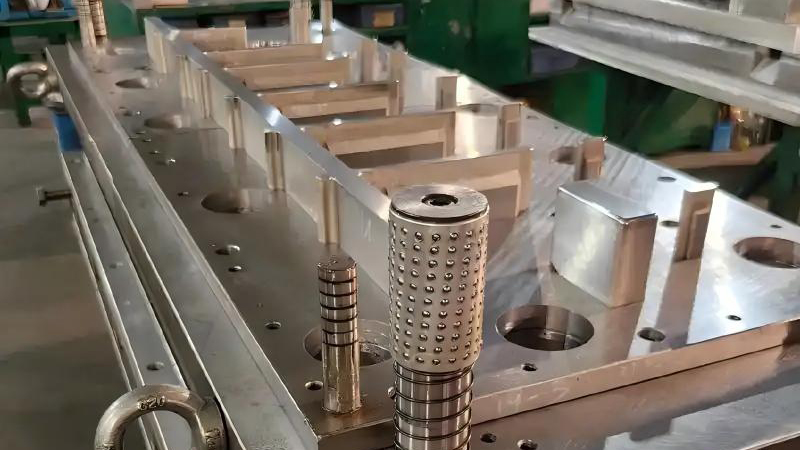
Test Die Selection: If the customer does not yet have production dies ready, HS-FINEB provides reference test dies for initial press validation. These standardized dies exercise the full range of press functions including cutting force, V-ring pressure, counter-pressure, and ejection timing. Alternatively, customer dies are installed under supervision and initial trial parameters are established based on material specifications and part geometry.
Parameter Setup: Cutting speed, V-ring pressure, counter-pressure, punch penetration depth, and stripper timing are adjusted iteratively while monitoring part quality. Our application engineers use decades of empirical data to converge rapidly on optimal settings, minimizing trial time and material consumption. Hydraulic system pressure and temperature are monitored continuously during trials.
Sample Inspection: First article parts are inspected using calibrated measurement equipment including coordinate measuring machines, optical comparators, surface roughness testers, and hardness measurement devices. Edge quality is evaluated under magnification to verify the sheared zone percentage and absence of fractures or burr. All measurements are documented in formal first article inspection reports.
Documentation: Complete trial documentation including parameter settings, part measurements, die condition reports, and process capability studies is compiled and delivered to the customer. This package serves as the baseline for ongoing production monitoring and future die changeovers.
Operator Training & Handover
Comprehensive operator training ensures your team can safely operate, maintain, and troubleshoot the press from the first day of production.
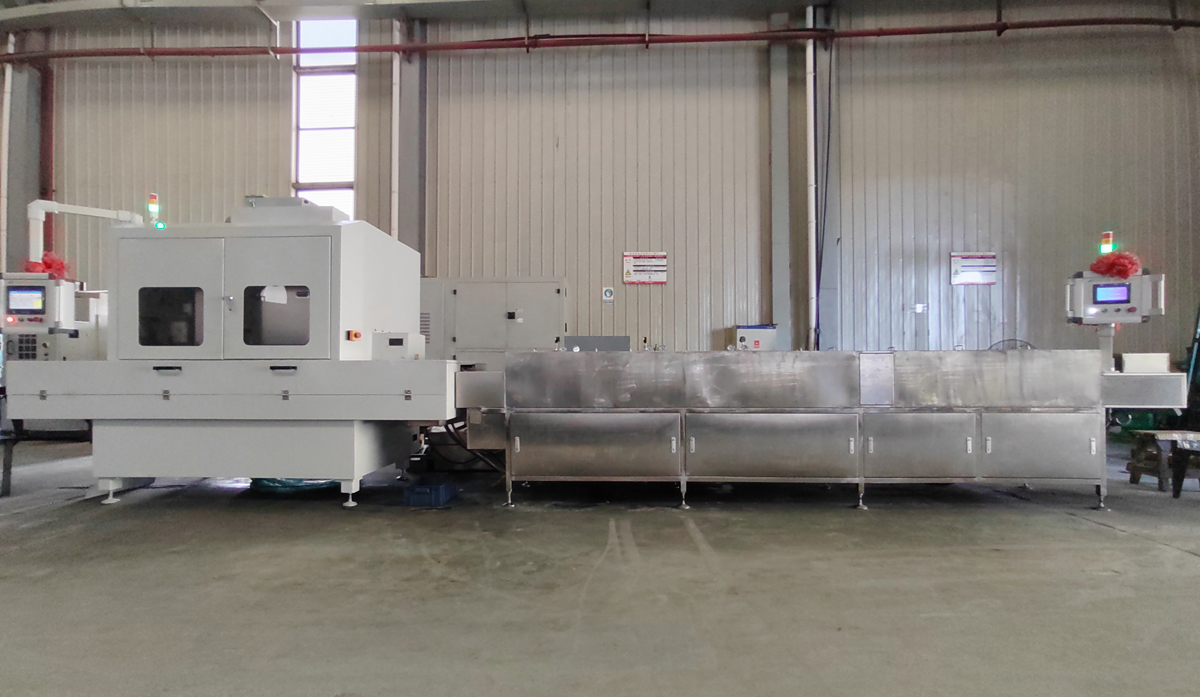
Training Curriculum: Our structured training program covers press operation fundamentals, hydraulic system principles, die changeover procedures, daily maintenance routines, lubrication schedules, and safety protocols. Training is delivered through a combination of classroom instruction, hands-on supervised operation, and written assessment. Training materials are provided in English or local language as required.
Maintenance Basics: Maintenance technicians receive specialized instruction in hydraulic system troubleshooting, filter replacement schedules, oil sampling and analysis, slide guide inspection and adjustment, electrical cabinet diagnostics, and preventive maintenance scheduling. Common spare parts are identified and a recommended initial inventory is established.
Safety Protocols: All personnel are trained in lockout-tagout procedures, emergency response, personal protective equipment requirements, and safe die handling practices. Safety competency assessments are conducted and documented before any operator is authorized for unsupervised press operation.
Documentation Package: The handover package includes the complete technical documentation set: operation manual, maintenance manual, hydraulic and electrical schematics, spare parts catalog, factory test certificates, safety compliance documentation, and warranty terms. Digital copies are provided on USB drive and cloud storage access is arranged for future updates.
Global Service Coverage & Support
HS-FINEB maintains a worldwide service network to support customers before, during, and long after installation.
On-Site Team Availability: Our installation and service engineers are stationed in regional hubs across Asia, Europe, and the Americas. Response time for on-site support is typically 48 to 72 hours for major industrial regions and 5 to 7 days for remote locations. Installation teams include mechanical, electrical, and application engineers to cover all aspects of press commissioning.
Remote Support: Modern HF series presses are equipped with remote diagnostic capability allowing our technical team to access PLC parameters, alarm logs, and system status via secure internet connection. Many software-related issues and parameter adjustments can be resolved remotely without waiting for an engineer to travel, minimizing production downtime.
Spare Parts Logistics: A dedicated spare parts warehouse in Shanghai maintains inventory of critical components including hydraulic valves, seals, bearings, electrical components, and control system modules. Standard parts are shipped within 24 hours of order confirmation. Custom or long-lead-time components are managed through advance procurement agreements to ensure availability when needed.
Extended Service Agreements: Beyond the standard warranty period, HS-FINEB offers comprehensive service contracts including scheduled preventive maintenance visits, priority spare parts allocation, remote monitoring, and annual system health assessments. These agreements extend press operational life and maintain production reliability at optimal levels.
Schedule Your Press Installation
Contact our project management team to plan your HF series press installation, from site survey through production handover. We coordinate every detail so your production line starts on schedule.