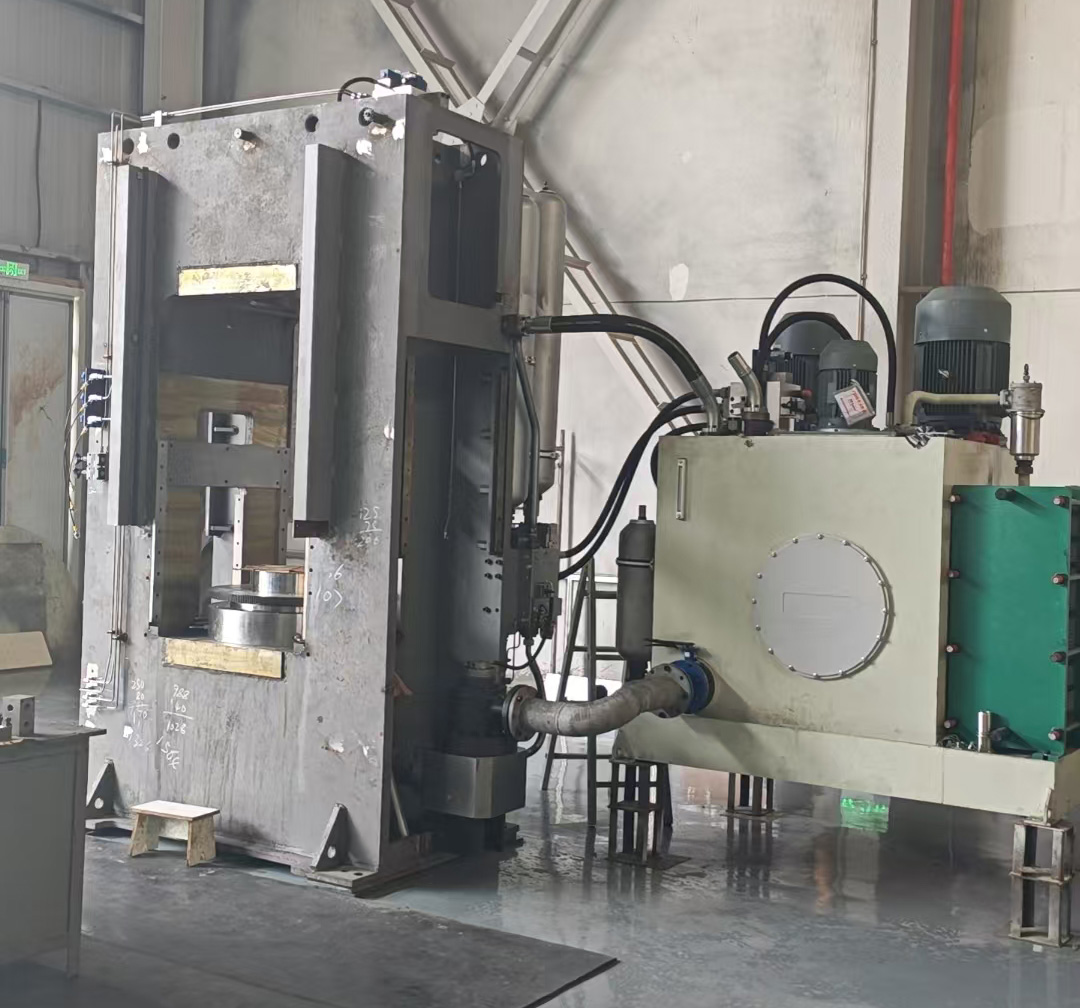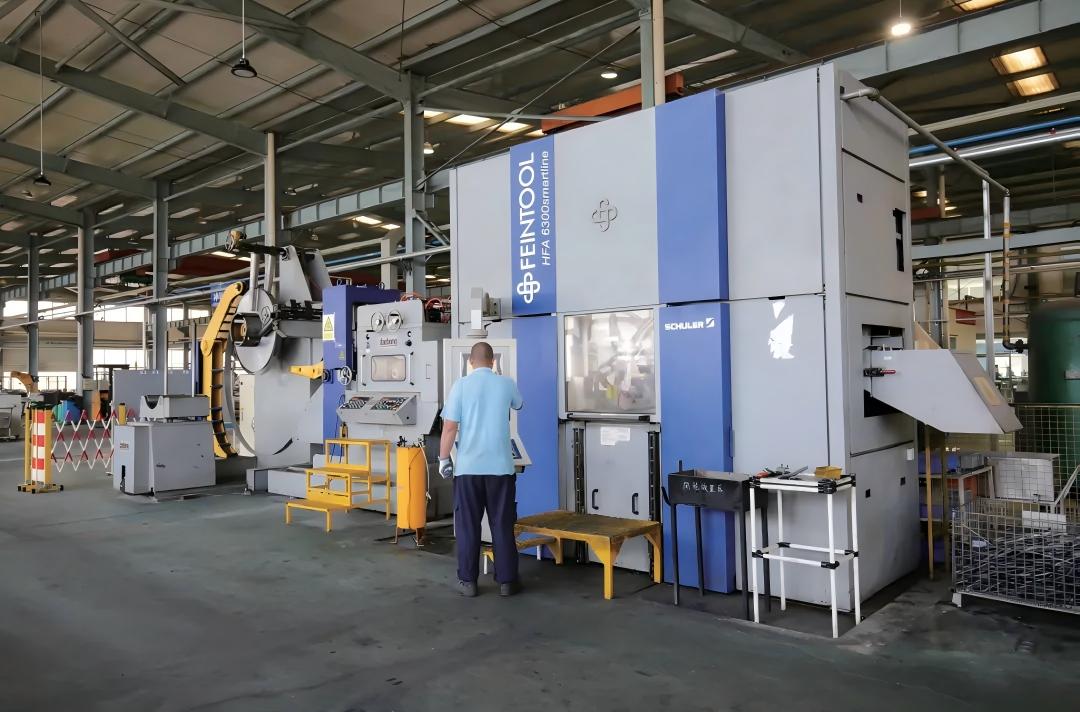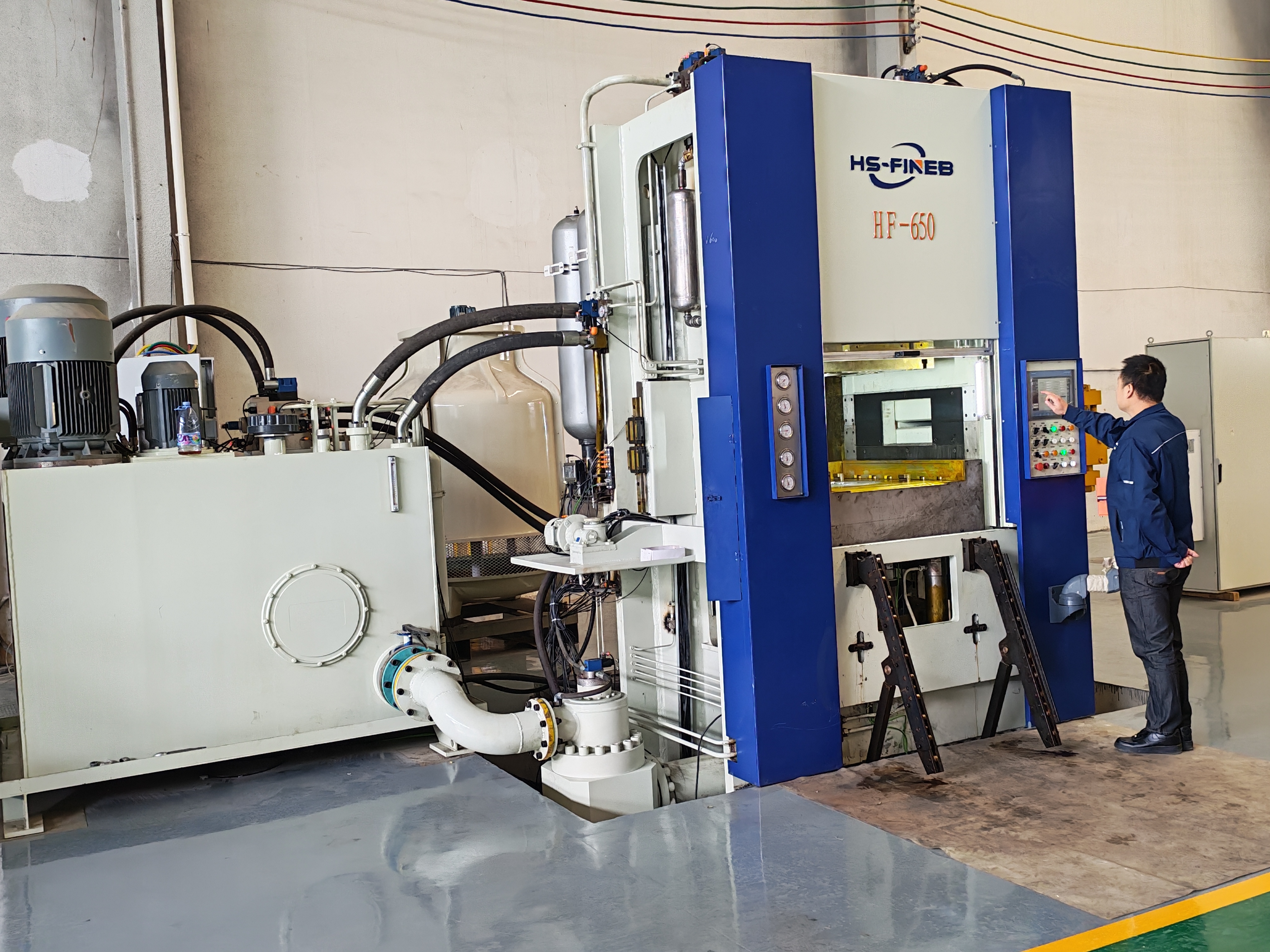
The people behind every HS-FINEB press: mechanical designers, hydraulic specialists, electrical control engineers, die designers and field service technicians — with decades of combined experience in fine blanking press manufacturing, refurbishment and process optimization.
A fine blanking press is not a commodity product. It is a precision machine tool that demands expertise across multiple engineering disciplines — mechanical structure, hydraulic power, electrical control, die engineering and process optimization. At HS-FINEB, our engineering team brings together specialists in each of these disciplines, with combined experience spanning Feintool, Mori and Schuler press platforms, automotive Tier 1 component manufacturing and decades of press building right here in Huangshi. This page introduces the team structure, individual capabilities and how our engineers support your project from initial consultation through commissioning and ongoing production support.

Our mechanical design team is responsible for the structural integrity of every press. This includes frame design using finite element analysis (FEA), platen flatness and parallelism specifications, guide column sizing and clearance calculations, and the overall kinematic design of the three-force system (punching force, vee-ring force and counter force).
The hydraulic system is the power source that defines press performance, tonnage accuracy and long-term reliability. Our hydraulic engineers design circuits for the three independent pressure systems, select pumps and valves rated for continuous high-pressure duty cycles, and specify filtration, cooling and contamination control strategies.
Modern fine blanking presses require sophisticated control systems for stroke control, tonnage monitoring, die protection and production data collection. Our electrical engineers design PLC-based control systems with operator interfaces, safety interlocks and diagnostic capabilities.
Fine blanking die design is a specialized discipline that determines whether your parts meet tolerance specifications. Our die engineers design progressive dies, compound dies and transfer dies for fine blanking applications, and provide process engineering support including material selection, lubricant recommendation and process parameter optimization.
Installation, commissioning and after-sales support are handled by our field service team — engineers who have built presses in our factory and understand them from the inside out. This team also handles refurbishment and repair of Feintool, Mori and other brand presses.
Our quality engineering team ensures that every press meets documented specifications before shipment and that complete technical documentation is delivered with the machine. This team works under our ISO 9001:2015 quality management system.

What sets our engineering team apart is multi-platform experience. Our senior engineers have worked with or maintained fine blanking presses from every major manufacturer:
This multi-platform experience means our engineers understand the engineering decisions behind different press designs — why certain components were specified, how circuits are interrelated and what failure patterns to expect. When you call us for refurbishment or troubleshooting support on a Feintool or Mori press, you are not getting a general-purpose mechanic. You are getting an engineer who understands fine blanking press design from the inside.
Before you commit to a purchase, our engineers review your part prints, material specifications, production volume requirements and existing tooling (if any). We recommend the appropriate press tonnage, guide the selection of auxiliary equipment (feeding, lubrication, scrap handling) and provide budgetary pricing with engineering justification. This is not a sales call — it is a technical consultation. Contact our engineering team to discuss your application.
Once an order is placed, a project engineer is assigned as your single point of contact. They coordinate design reviews, manufacturing progress updates, component inspection milestones and the FAT schedule. You receive mechanical and hydraulic layout drawings for approval before manufacturing begins, ensuring the press meets your specific application requirements.
Our field service engineers travel to your facility for installation and commissioning. This includes machine leveling, hydraulic system filling and bleeding, electrical connection verification, die installation, first-article tryout, process parameter optimization and operator training. Commissioning is not complete until your parts meet specification at the agreed production rate.
After commissioning, our engineers remain available for technical support — troubleshooting, parameter optimization, die maintenance guidance, spare parts identification and remote diagnostics. For refurbishment and repair of any fine blanking press (Feintool, Mori, Schuler or HS-FINEB), our field service team can travel to your site worldwide. Learn more about our refurbishment and repair services.
Our engineering team is supported by professional-grade tools and infrastructure:

Whether you need a new fine blanking press, refurbishment of an existing Feintool or Mori machine, die design support or process engineering assistance — our engineering team is ready to discuss your application. Send us your part prints, material specifications and production requirements, and we will provide a technically grounded response within 24 hours.