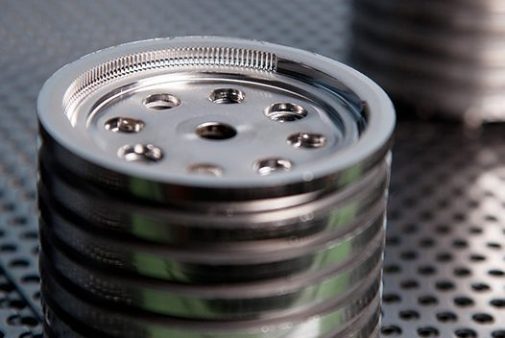
Seat recliner gears, adjuster plates, and slide rails combine precision gearing with structural load-bearing — fine blanking delivers both in a single stroke, eliminating secondary machining.
Every time you lean back in a car seat, a pair of fine-blanked recliner gear segments engage and lock at a new angle. The gear teeth — involute profiles cut to AGMA Q8 quality — bear the full occupant weight under dynamic load, including the 20g forward acceleration specified in FMVSS 202a and ECE R14 crash pulse requirements. A single tooth failure under crash load propels the occupant forward. This is why seat mechanism components are fine-blanked, not conventionally stamped.
The seat adjuster assembly is a system of interacting fine-blanked parts: the recliner gear segments with their internal involute teeth, the locking pawl that engages the gear at discrete positions, the adjuster plates that connect the gear housing to the seat back frame, and the slide rail components that permit fore-aft seat adjustment. Each component must meet positional tolerances of 0.02-0.05 mm, maintain 100% shear edge on functional tooth surfaces, and survive the full 30,000+ cycle life test without measurable wear on the tooth flanks.
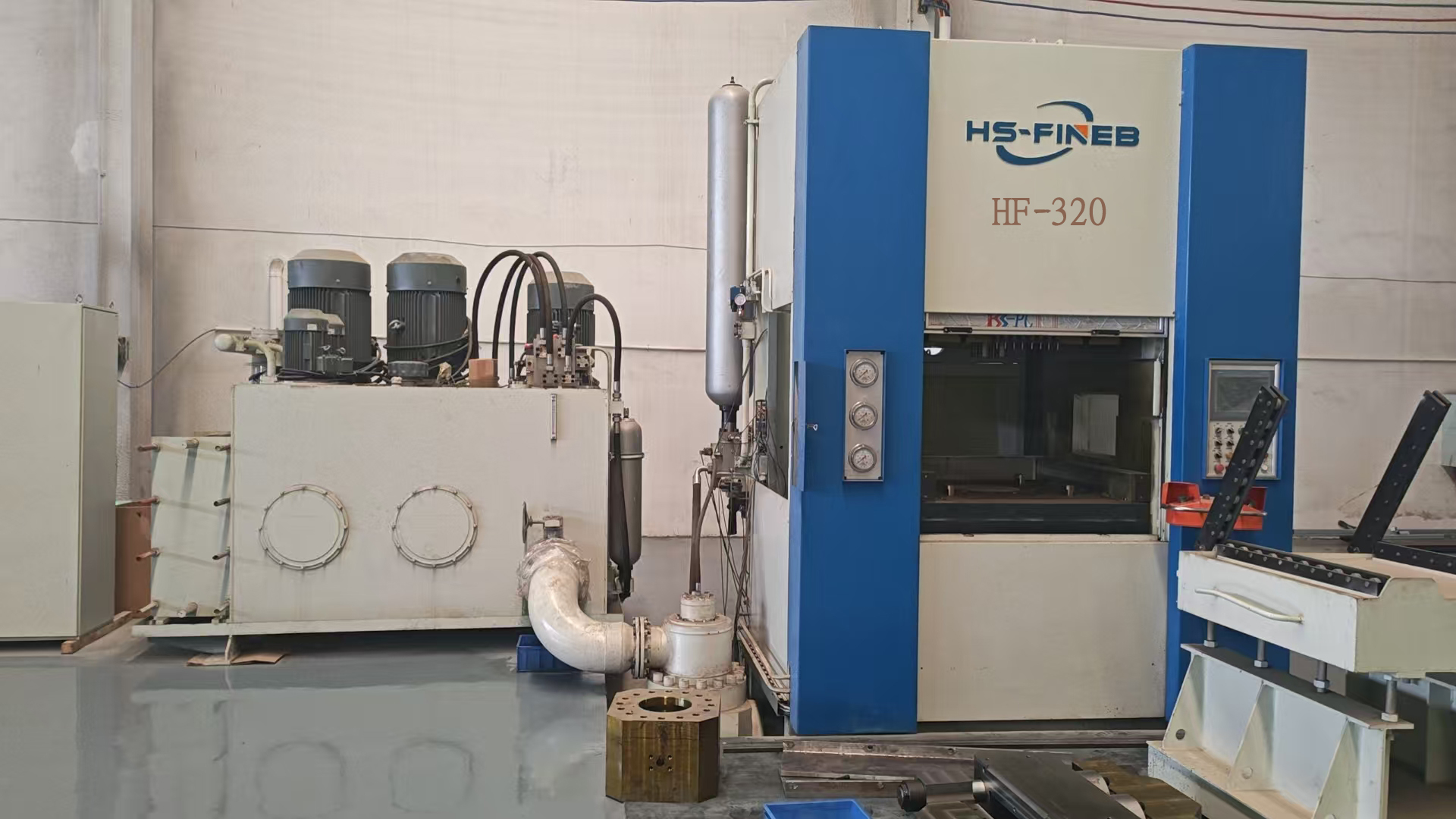
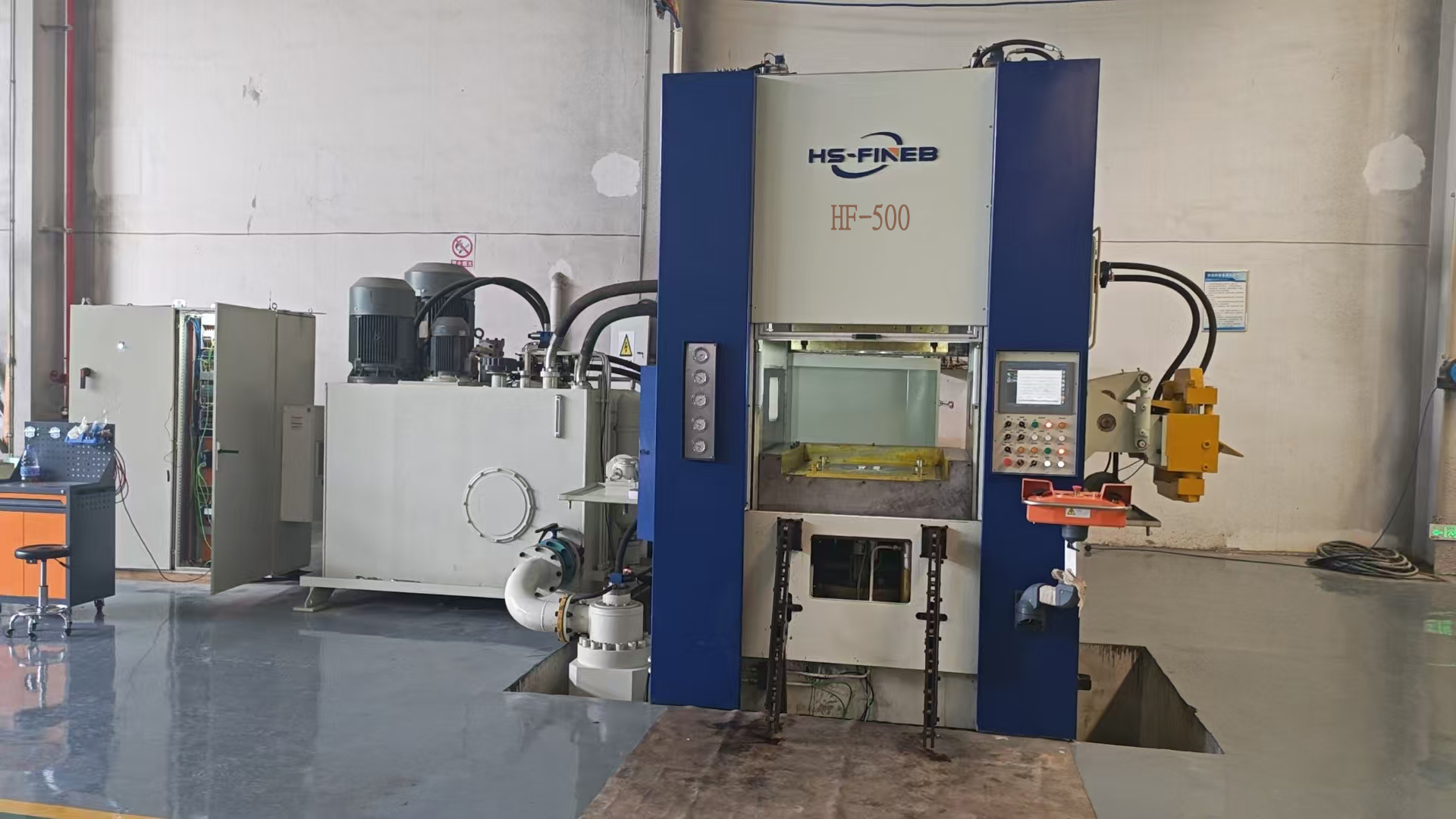
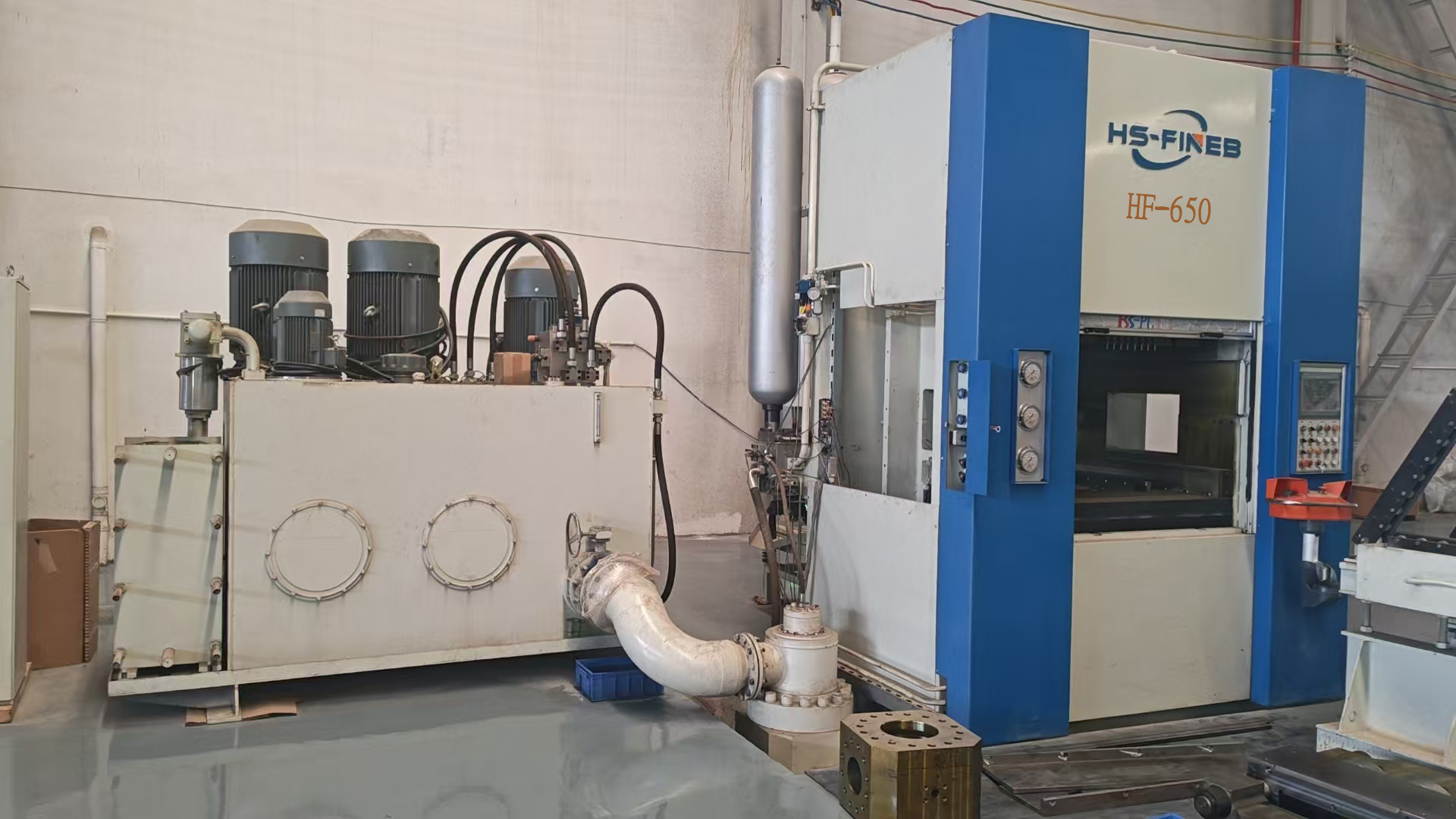
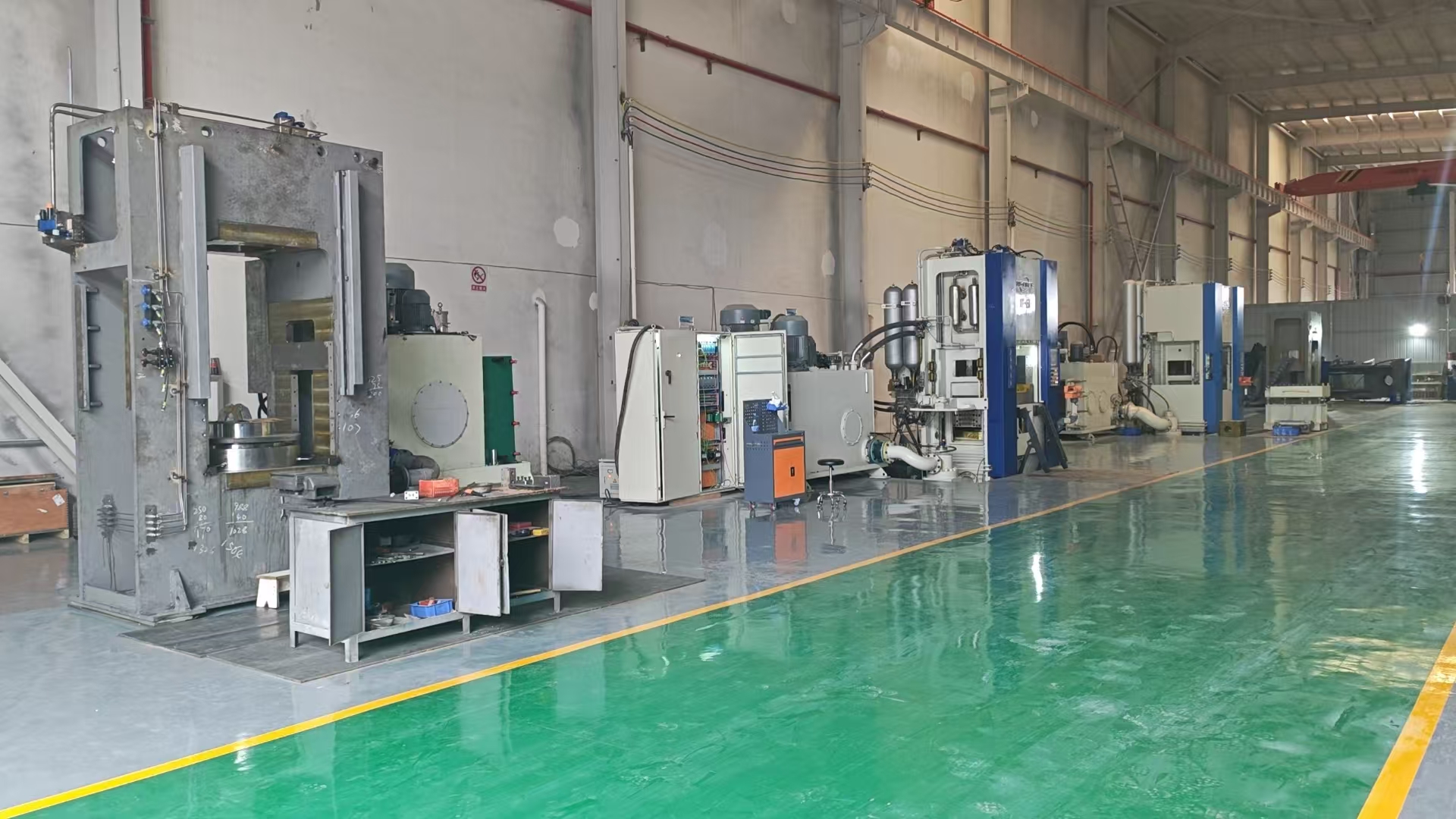
HS-FINEB presses — the HF-320, HF-400 and HF-650 — cover the full range of seat mechanism production, from 320-ton recliner gear blanking to 650-ton multi-station progressive die production of slide rail components.


Seat recliner mechanisms use partial gear segments — typically a 120° to 180° arc of a full gear — with involute tooth profiles cut at module 1.5 to 2.5 depending on the seat class and load rating. The gear segment blanked from S420MC or 22MnB5 boron steel at 4-6 mm thickness must achieve AGMA Q8 quality: tooth-to-tooth composite tolerance of 0.025 mm, total composite tolerance of 0.050 mm, and tooth surface finish below 1.6 µm Ra.
Conventional production of recliner gear teeth requires blanking the segment profile, then hobbing the involute teeth on a separate gear cutting machine — a two-step process with 15-30 seconds of additional cycle time per part and tooling costs for the hob. Fine blanking eliminates the hobbing step because the die cavity contains the complete involute tooth profile, ground into the carbide die plate by wire-EDM. The V-ring compresses material into each tooth cavity, producing a 100% shear zone on both the tooth flank and the tooth root — surfaces that hobbing would leave with tool marks and a fracture zone at the tooth tip.
The HF-320 press with 3200 kN total pressure, 1600 kN V-ring force and 800 kN counter-pressure is the production standard for seat recliner gear segments in module 1.5-2.0 at 4-5 mm material thickness. For heavier seat applications (commercial vehicle seats, SUV third-row seats) in 22MnB5 at 6 mm, the HF-400 provides the additional 800 kN of blanking force required to maintain full shear zone depth on the larger tooth profiles.
The recliner locking pawl is the component that engages the gear segment teeth to lock the seat back at a selected angle. When the driver pulls the seat adjuster lever, the pawl disengages; when the lever releases, the pawl springs back into the nearest tooth gap. The pawl tooth profile must match the gear segment involute within 0.02 mm of positional tolerance — tighter than the gear itself — because the pawl is a single tooth engaging against the full gear, and any mismatch causes backlash, rattle, or worse, disengagement under load.
Fine blanking produces the locking pawl with all functional surfaces — the engaging tooth flank, the spring pin hole, and the pivot hole — cut in a single stroke from the same die. The positional relationship between these features is determined by the wire-EDM ground die cavity, not by secondary drilling or reaming. This means every pawl from the same die has identical tooth-to-hole positioning, and the 100% shear zone on the engaging tooth flank provides a hardened, smooth surface that resists the 30,000+ engagement cycles without wear or deformation.
The locking plate is typically blanked from S500MC high-strength steel at 4-5 mm thickness, requiring 320-400 tons of blanking force. Die life on carbide tooling reaches 200,000-300,000 strokes for the pawl profile, with the tooth flank insert requiring regrind at approximately 150,000 strokes due to the higher contact stress on the single engaging tooth geometry.


Seat slide rails are the longest fine-blanked components in the automotive interior. The upper rail, lower rail and ball retainer form a telescoping track that permits fore-aft seat adjustment over a 200-280 mm travel range. The total rail length runs 800-1200 mm depending on vehicle platform, and flatness across the full length must hold to 0.05 mm per meter to ensure smooth sliding action without binding or rattle.
Fine blanking achieves this flatness through the counter-pressure pad, which applies uniform holding force across the entire rail blank during the cutting stroke. The 100% shear edge on the rail cross-section — particularly the internal channel that guides the ball bearings — eliminates the burr and fracture zone that would create friction points in the sliding interface. Conventional stamping of slide rails requires post-blanking straightening and channel deburring, adding 20-40% to the per-part cost; fine blanking eliminates both operations.
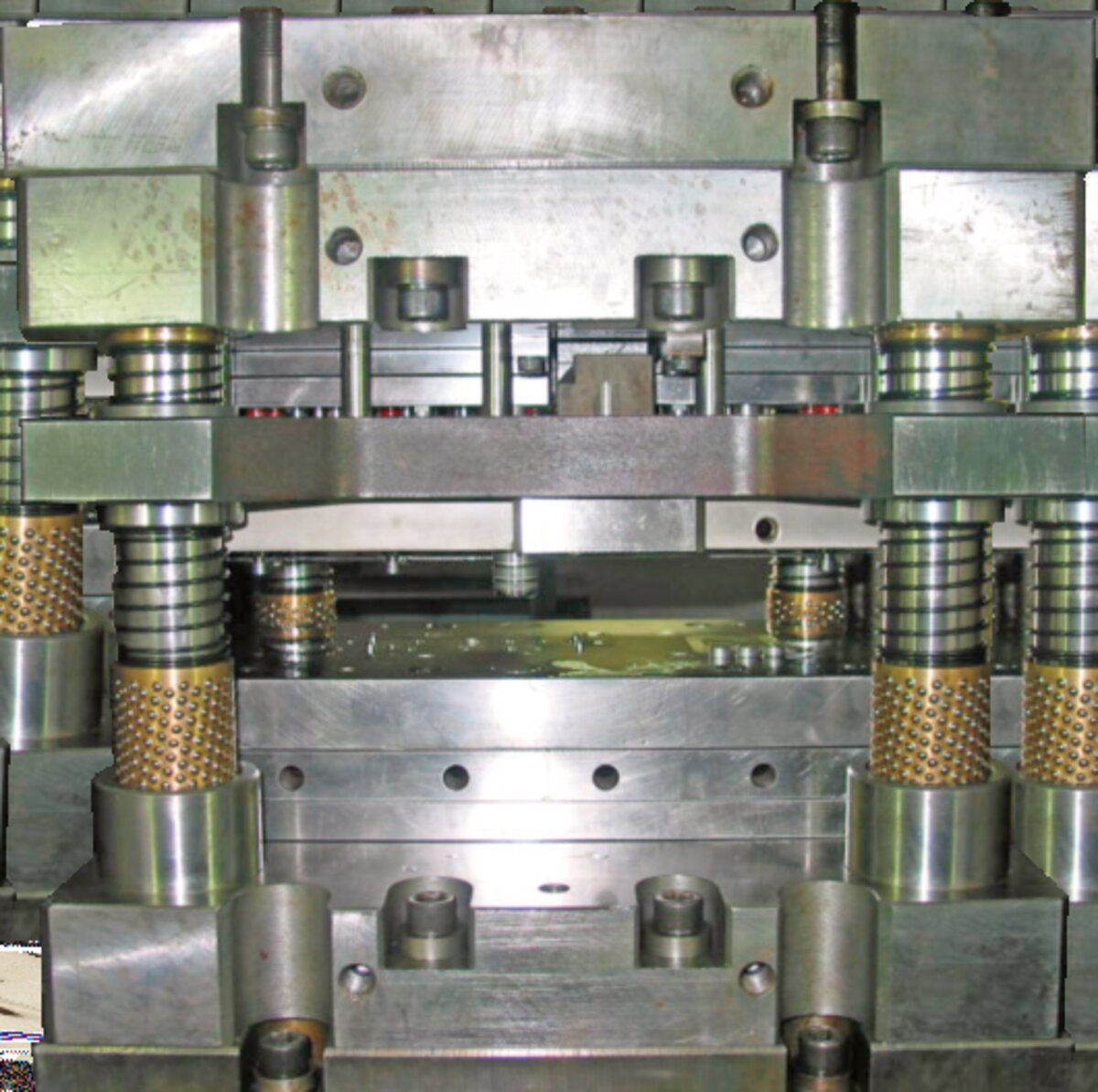
For multi-station progressive die production of slide rail components, the HF-650 press with 6500 kN total pressure, 600×600 mm working table, and 50 SPM cycle rate provides the force and die space for multi-cavity layouts. The progressive die configuration feeds coil stock through stations that pierce ball retainer holes, form the rail channel, blank the component profile and crop to length — all in a single press cycle per feed pitch.
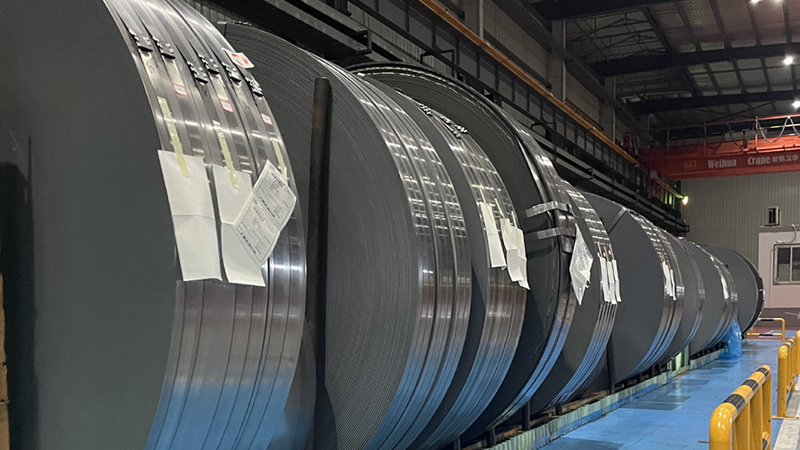
Thermomechanically rolled fine-grained structural steel, 420 MPa minimum yield. The workhorse for recliner gear segments and adjuster plates. Excellent fine blanking response — die-roll below 10% of material thickness, 100% shear zone at 4-5 mm thickness with 320-400T press force. Case-hardening not required for most seat mechanism applications.
Higher-strength variant at 500 MPa minimum yield, for locking pawls and high-load adjuster components. The increased yield strength requires 15-20% additional V-ring force to maintain full shear zone depth, but the fine blanking compressive stress state prevents the edge cracking that affects conventional stamping of S500MC.
Boron-alloyed quench-hardening steel for SUV and commercial vehicle seat components. Hardened to 450-500 HB after hot forming and die quenching. Fine blanking of 22MnB5 in the soft-annealed condition (pre-hardening) achieves 100% shear zone with carbide tooling; the boron content does not impair blanking performance but requires 400-500T force at 6 mm thickness.
| Seat Component | Typical Force | Material | Thickness | Cycle Life Requirement |
|---|---|---|---|---|
| Recliner gear segment | 320-400T | S420MC / 22MnB5 | 4-6 mm | 30,000+ cycles |
| Locking pawl | 320-400T | S500MC | 4-5 mm | 30,000+ engagements |
| Adjuster plate | 320-400T | S420MC | 3-5 mm | 30,000+ cycles |
| Slide rail upper/lower | 500-650T | S420MC / S500MC | 2.5-4 mm | 20,000+ sliding cycles |
| Ball retainer | 320-400T | S420MC | 2-3 mm | 20,000+ cycles |

Production standard for recliner gear segments and locking pawls in module 1.5-2.0. 3200 kN total force, 65 SPM, 550×550 mm table for single-cavity gear dies.

Heavier seat applications in 22MnB5 at 6 mm. 650×650 mm table for multi-feature progressive dies combining gear teeth, pivot holes and locking profiles.

Multi-station progressive die platform for slide rail components. 6500 kN force, 600×600 mm table, 50 SPM for high-volume rail production with integrated piercing and forming.
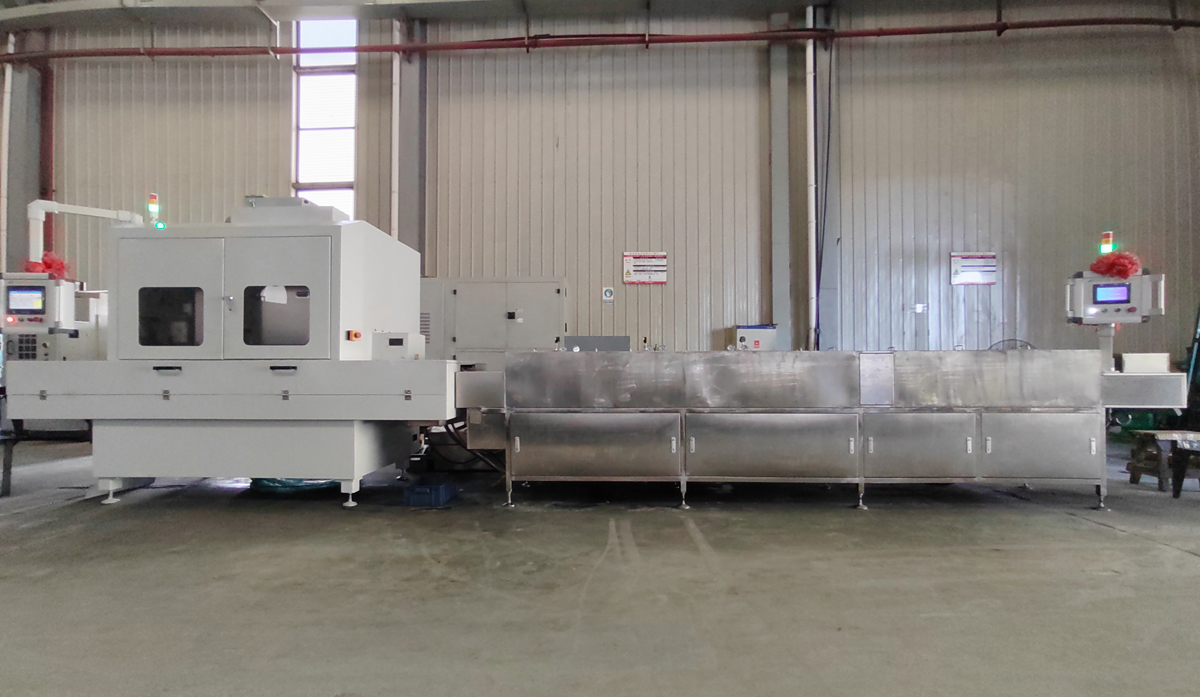
While fine blanking produces 100% shear edges with no fracture zone, a micro-burr can still form at the die-roll transition on some component geometries — particularly at tooth root radii and hole edges. For seat safety components that undergo 30,000+ engagement cycles, even a 0.05 mm burr can accelerate wear on the mating surface. Post-blanking vibratory deburring and ultrasonic cleaning remove this micro-burr without rounding the functional edge.
HS-FINEB provides deburring and polishing equipment matched to the seat component production line, with media and process parameters selected per material grade and component geometry. The combined fine blanking + deburring + cleaning cell delivers parts ready for assembly — no secondary machining, no manual deburring, no edge inspection sorting.

Send your part drawing, material grade and cycle life requirement. Our engineers will assess the involute tooth profile feasibility, calculate V-ring force for your material thickness, and recommend the right HF-series platform for your seat component production.