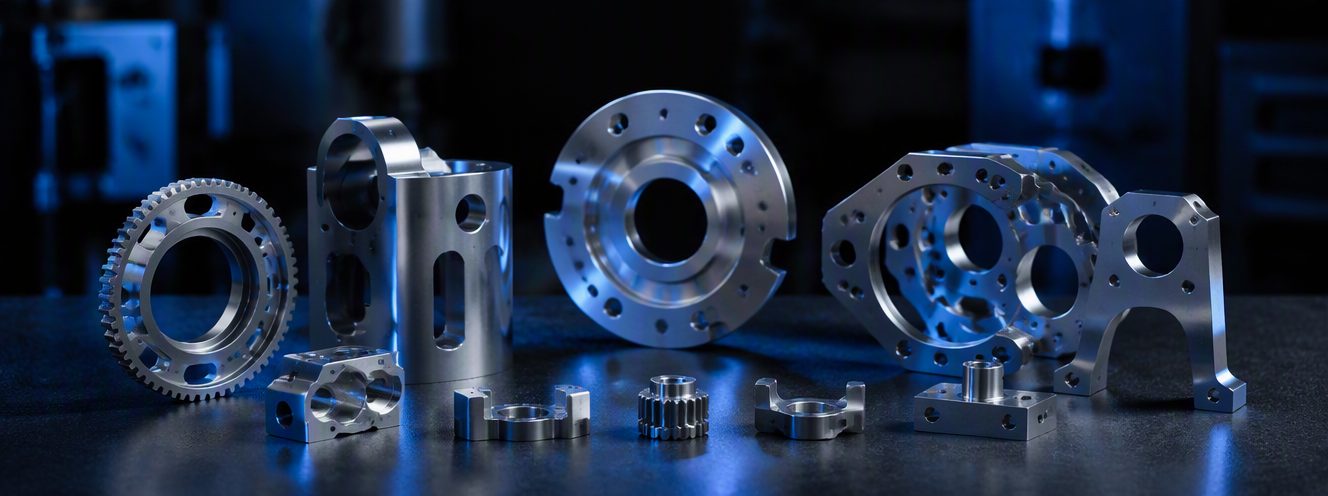
Send us a part drawing. We reverse-engineer the die envelope, material grade and production volume into a complete fine blanking line — press, coil feed, tooling interface and deburring cell — calibrated to deliver 100% shear-edge quality at the SPM your line requires. No catalog presses. No generic configurations.
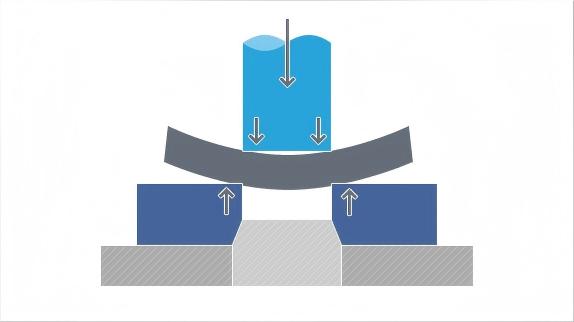
The nine HF-series platforms span 200T to 1200T, but tonnage alone never determines the configuration. Our engineers start from your part drawing: material thickness, shear perimeter, die-roll allowance and target SPM dictate the V-ring force, counter-pressure and die envelope — then we match the platform to those requirements.

When your part demands 100% shear-edge quality on brass connectors or low-carbon steel lock cylinders up to 8mm thick, but annual volume doesn't justify a 400T platform, the HF-200 delivers fine-blanked precision at conventional-stamping throughput rates — up to 80 SPM with independently programmable V-ring and counter-pressure.

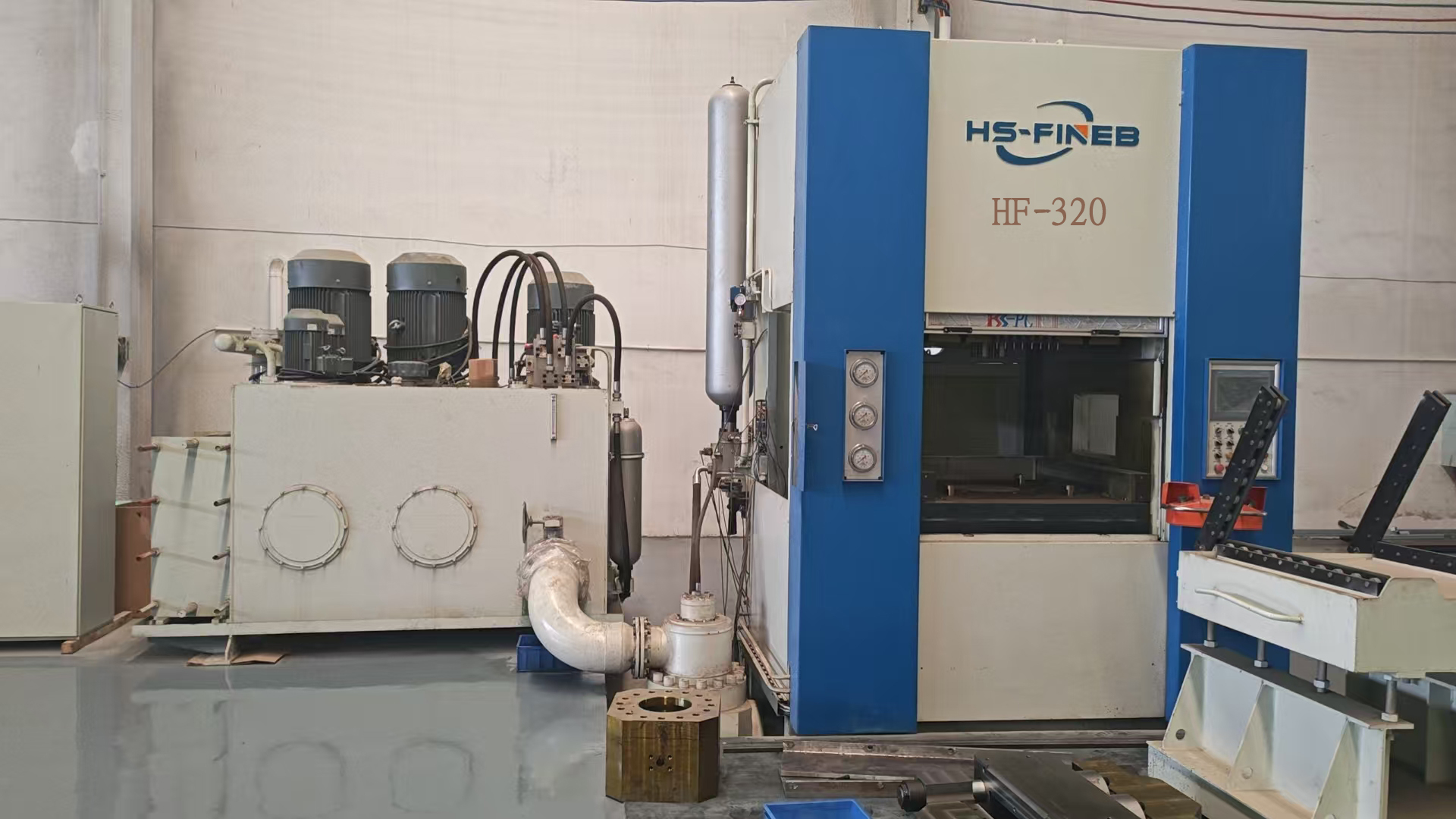
The sweet spot for automotive seat-recliner gears and clutch plates in 16MnCr5 or C45 up to 12mm. When a Tier-1 supplier needs 70 SPM with die-roll under 10% of material thickness and IT7-8 hole-to-profile positioning, the HF-320's triple-action hydraulic system — 1600 kN V-ring, 800 kN counter-pressure — holds flatness within 0.05mm across the full stroke.

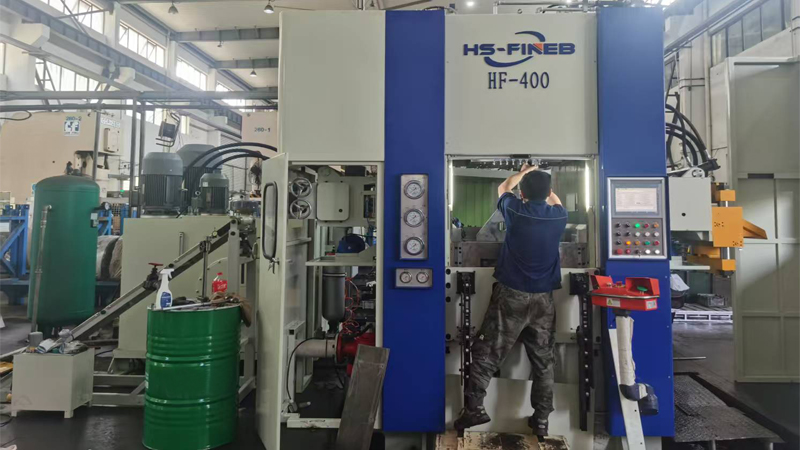
When brake backing plates in HSLA S500MC or door-latch components in C45 require burr-free shear edges at 14mm thickness, the HF-400 provides the 2000 kN V-ring impingement force needed to prevent fracture-zone tearing. The 650x650mm working table accommodates larger die sets for multi-station progressive layouts.

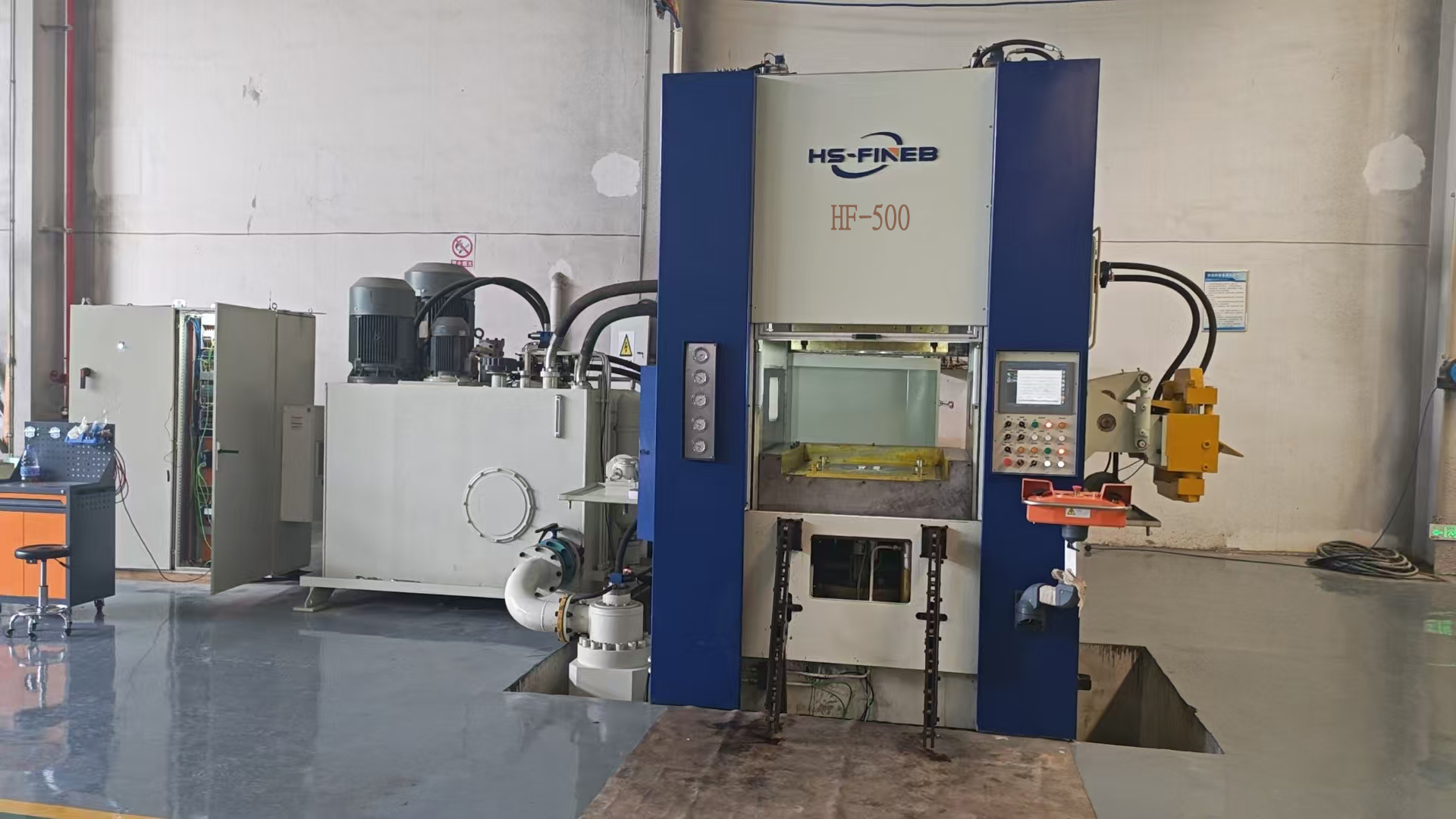
Engineered for powertrain brackets and brake-caliper mountings in S500MC or 16MnCr5 up to 15mm. When a buyer is migrating from machined-finish parts to fine blanking, the HF-500's 2500 kN ring-gear force and 1250 kN counter-pressure produce shear edges that replace milling and grinding — cutting per-part cost by 40-60% on high-volume structural components.

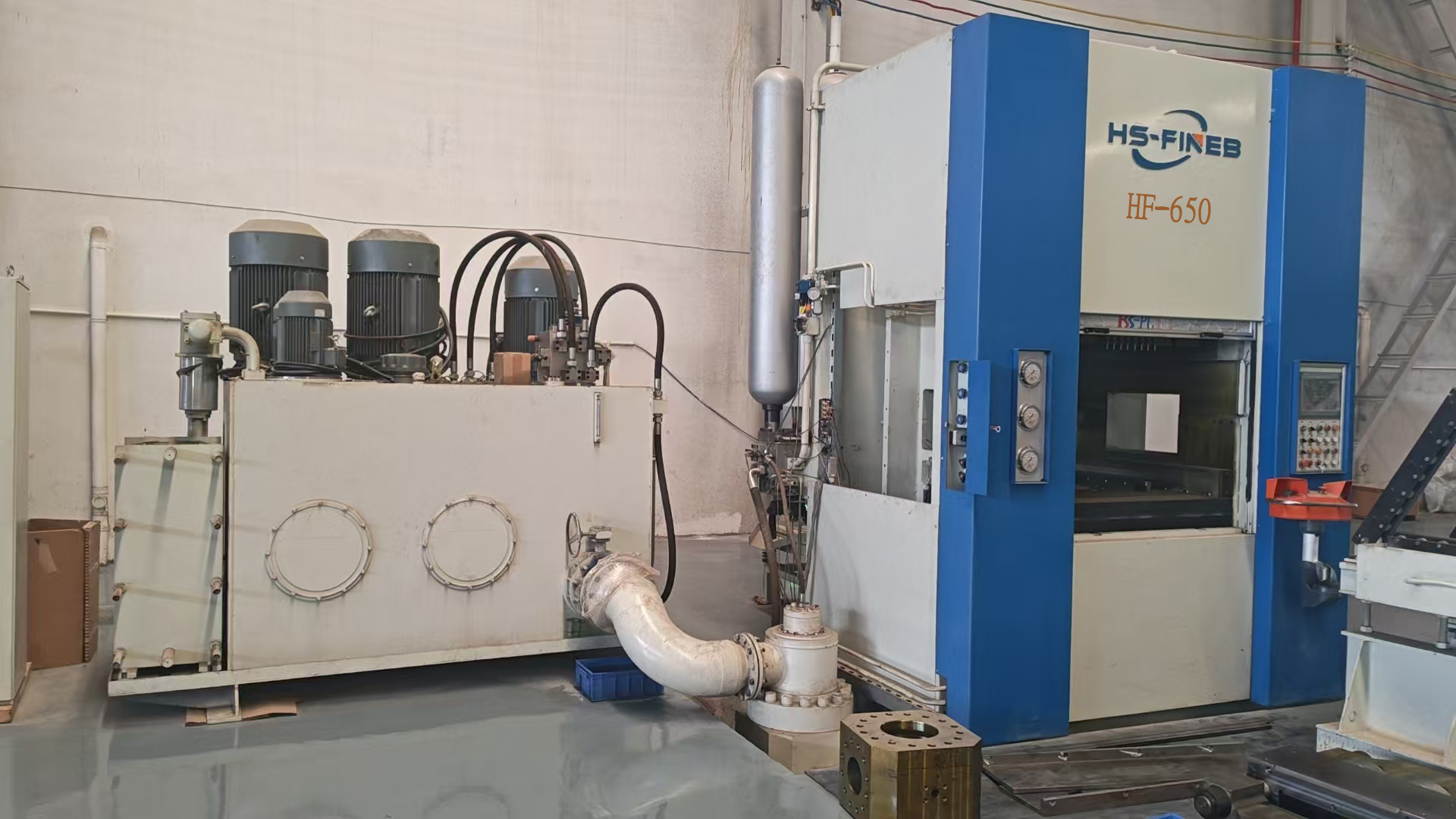
Selected when transmission ring gears exceed 200mm pitch diameter or thick-plate structural parts reach 16mm in 16MnCr5. The HF-650's 3250 kN V-ring force maintains full material impingement on high-carbon and alloy steels where die-roll must stay below 0.3mm — critical for gear teeth that mesh directly after blanking with no secondary machining.

Built for multi-station progressive die applications where a single stroke produces a finished assembly-ready component — think seat-track locking plates or seatbelt retractor gears with formed features and pierced holes in one pass. The 900x900mm table and 3500 kN V-ring force support complex die stacks up to 18mm material thickness.

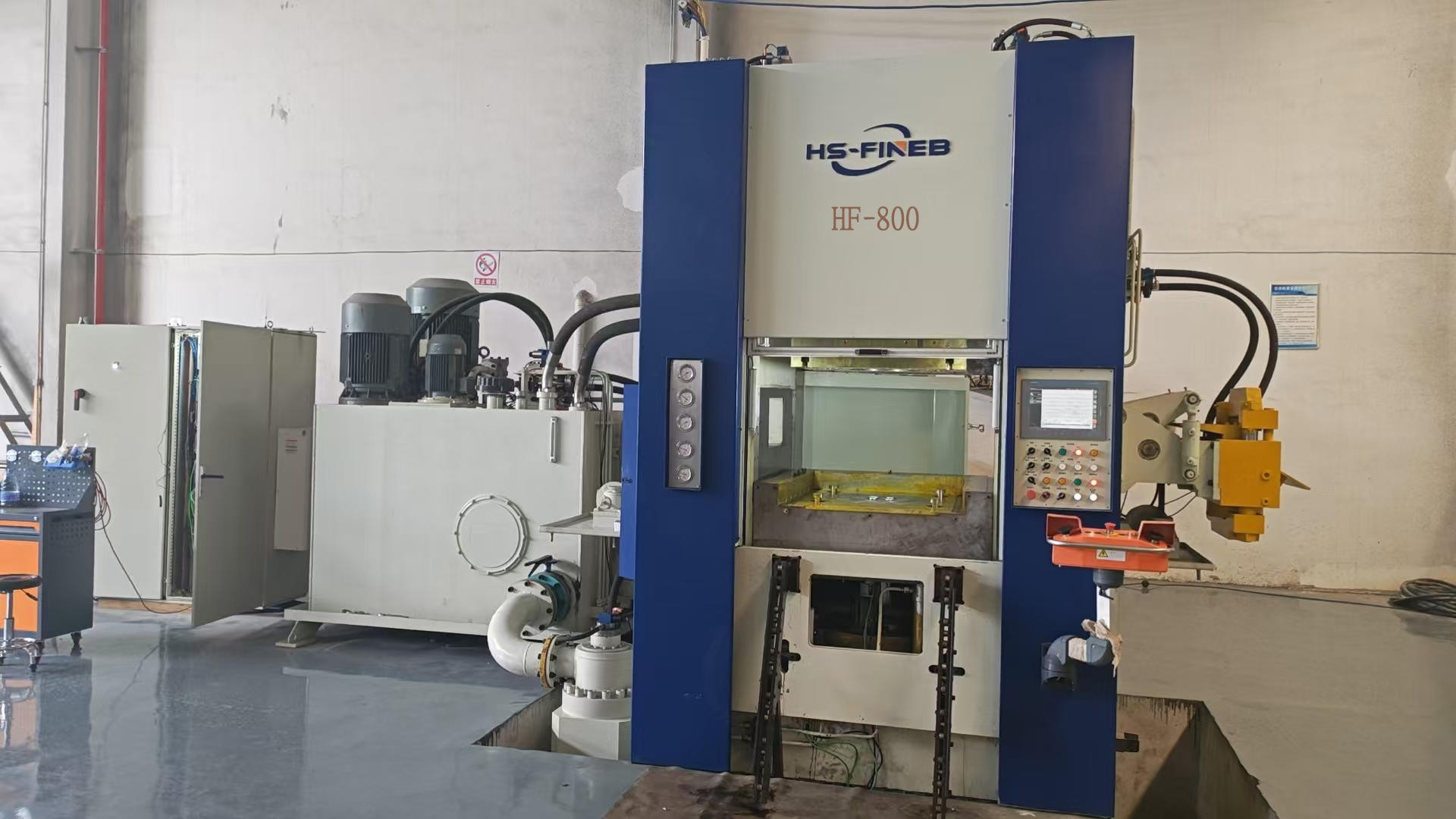
When truck chassis brackets, agricultural machinery linkage plates or heavy-equipment sprockets demand 20mm-thick fine-blanked edges in S500MC or C60, the HF-800 delivers 4000 kN V-ring impingement with a 950x950mm die envelope. Buyers replacing flame-cut + machined parts see payback in 8-14 months at typical heavy-industry volumes.

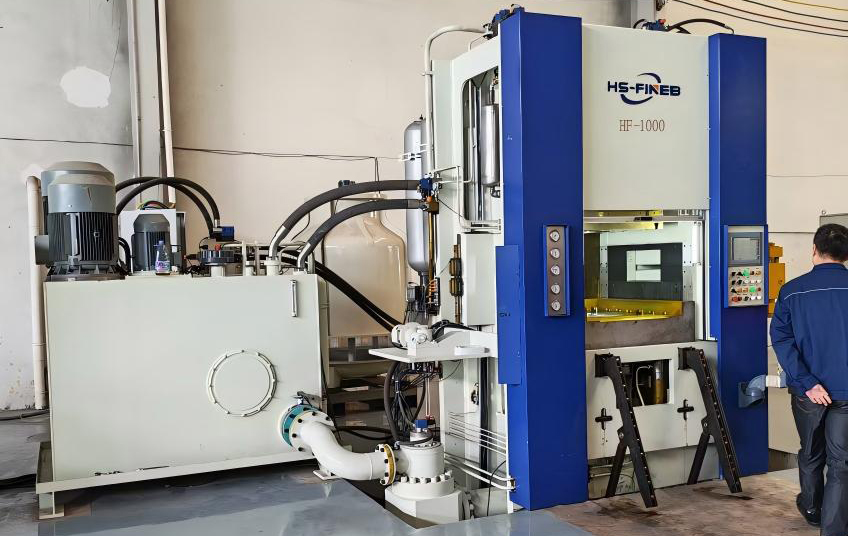
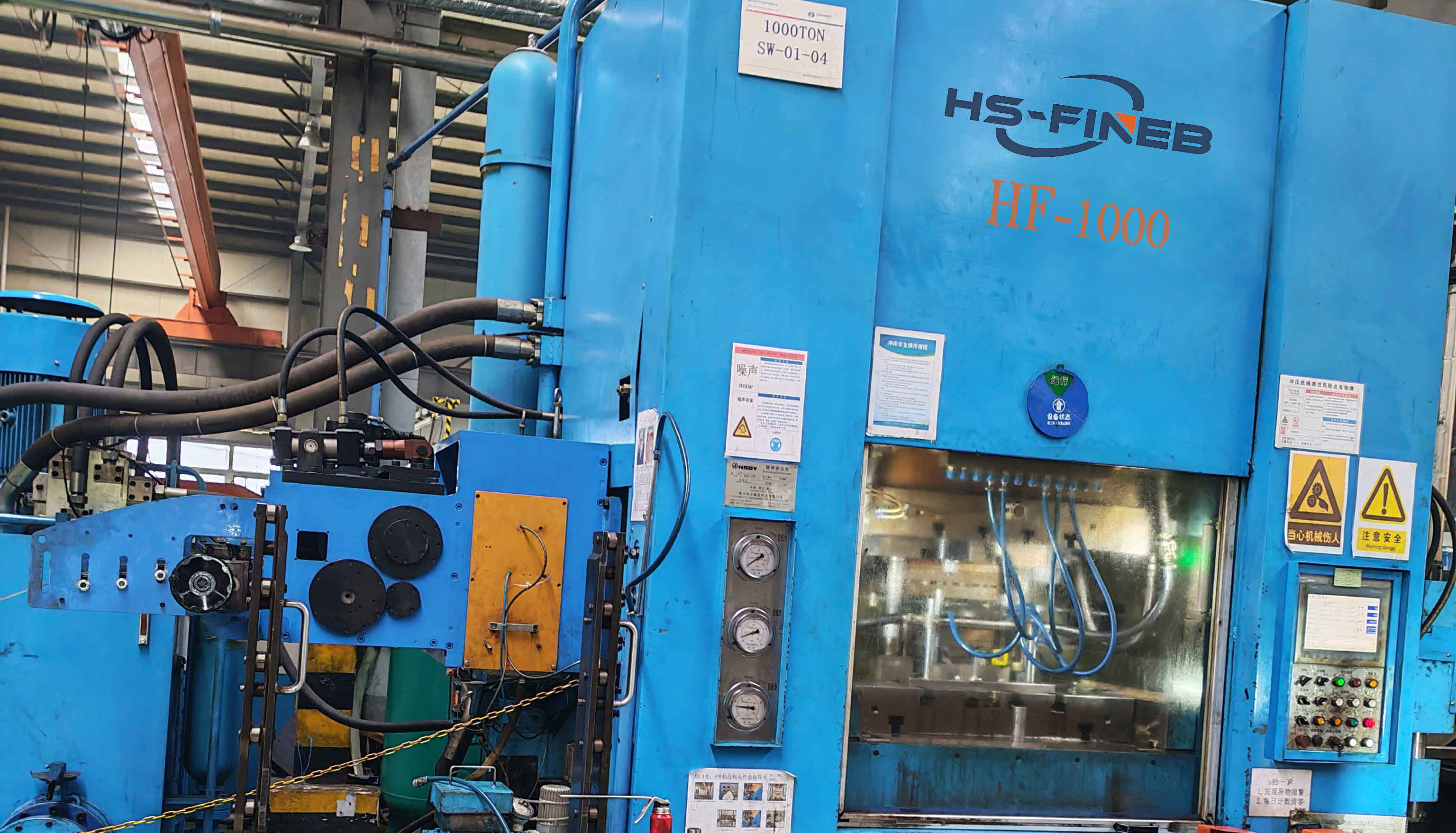
For oversized powertrain housings, crane sheave plates and rail-vehicle structural components up to 22mm thick. The HF-1000's 5000 kN ring-gear force and 2500 kN counter-pressure maintain fracture-free shear on high-strength alloy steels where conventional blanking would produce torn edges and require secondary machining across the entire part perimeter.

The flagship platform for the most demanding fine blanking applications — mining equipment wear plates, wind-turbine brake discs and heavy rail components up to 25mm in S700MC or equivalent. The HF-1200's 6000 kN V-ring force, 3000 kN counter-pressure and 1200x1200mm working table represent the ceiling of what triple-action hydraulic fine blanking can achieve in a single stroke.
A fine blanking press produces scrap without its peripheral ecosystem. Die envelope, strip width, material yield, deburring method and part-handling logic must be engineered as one cell — and that engineering starts before the press is selected, not after.
We calculate total blanking force from your part's shear perimeter, material thickness and shear strength — then add V-ring impingement and counter-pressure requirements. The result determines which HF platform and force configuration fits your die.
Strip width, coil weight and material grade dictate decoiler capacity, straightener roller count and feed pitch accuracy. We match the coil feeding system to your press cycle so strip advance stays synchronized at target SPM without misfeeds.
V-ring geometry, cutting clearance and ejector timing are co-engineered with the press force curves. Our tooling team reviews your die layout against the selected platform's die envelope, ram stroke and force availability before final specification.
Burr removal, in-die sensing, part ejection and downstream inspection are integrated into the cell layout from day one. We specify deburring method — abrasive belt, vibratory or thermal — based on your part geometry and edge-quality acceptance criteria.
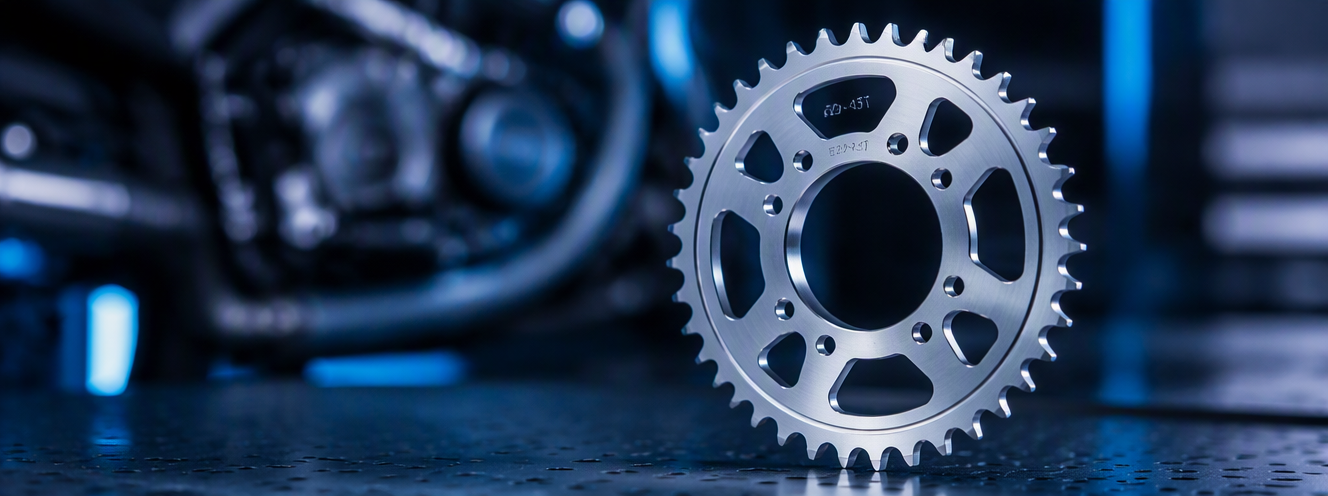
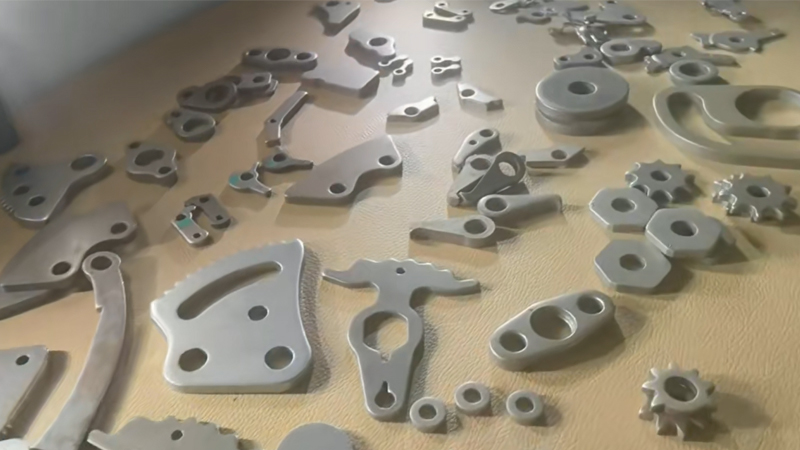
A gear tooth blanked on an HF-series press emerges with a 100% smooth shear edge — no fracture zone, no secondary milling. On 16MnCr5 at 6mm, die-roll stays under 0.5mm and burr height below 0.1mm. One stroke replaces drilling, milling and grinding operations that would otherwise consume three machine setups and 40% more material.
When a brake backing plate migrates from CNC machining to fine blanking, cycle time drops from 45 seconds to under 1 second at 60 SPM. Per-part cost falls 50-70% once volume exceeds 50,000 units annually, and dimensional repeatability improves from machining's natural variation to consistent IT7-8 across every part in the batch.
Fine blanking holds IT7-8 dimensional accuracy, flatness within 0.05mm and hole-to-profile positioning at ±0.02mm — in a single stroke, with no secondary sizing. On seat-recliner gears, this means teeth mesh at assembly without gauging or sorting. On connector terminals, it means pitch consistency that pick-and-place equipment can rely on at full line speed.
Fine blanking is specified when a part requires a 100% shear edge, IT7-8 tolerance and controlled flatness — conditions that make conventional stamping insufficient and multi-axis machining uneconomical at volume.

Seat-recliner gears in 16MnCr5 at 6mm requiring IT7-8 tooth positioning, brake-caliper brackets in S500MC at 12mm, transmission ring gears in C45 — all demanding 100% shear edges that eliminate secondary gear-tooth machining.

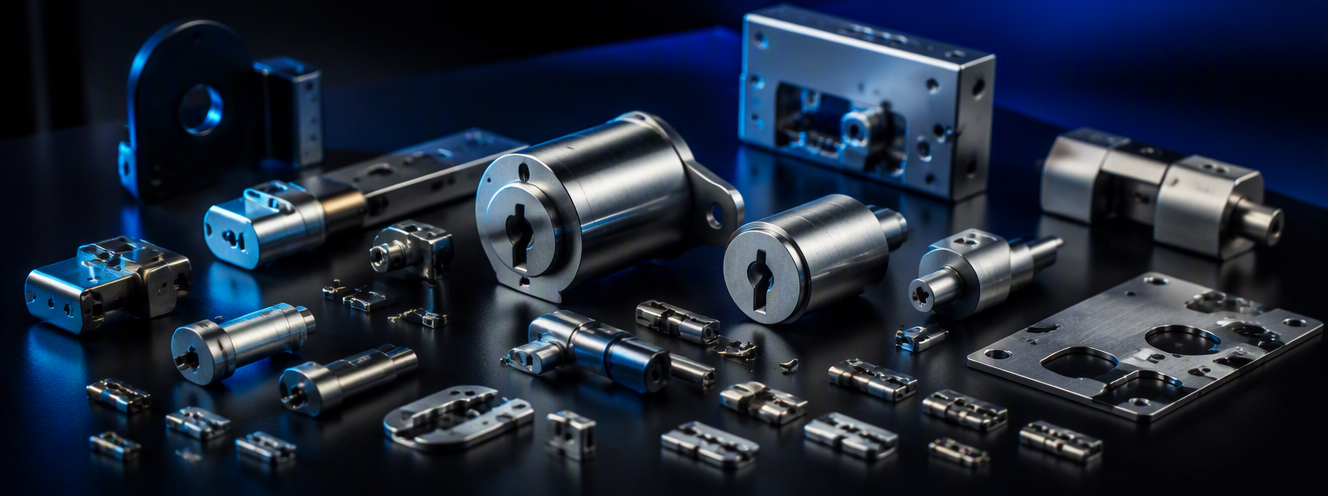
Lock cylinders in brass or C45 requiring burr-free pin-tumbler bores at ±0.02mm, security-hardware deadbolts in case-hardened steel, and door-hinge brackets where shear-edge finish directly affects corrosion resistance and assembly fit.

Rotor and stator laminations in electrical silicon steel at 0.5mm requiring burr control under 0.02mm for minimal interlaminar loss, and compressor valve plates in spring steel (50CrV4) at 2mm where flatness within 0.05mm determines valve-seat sealing performance.

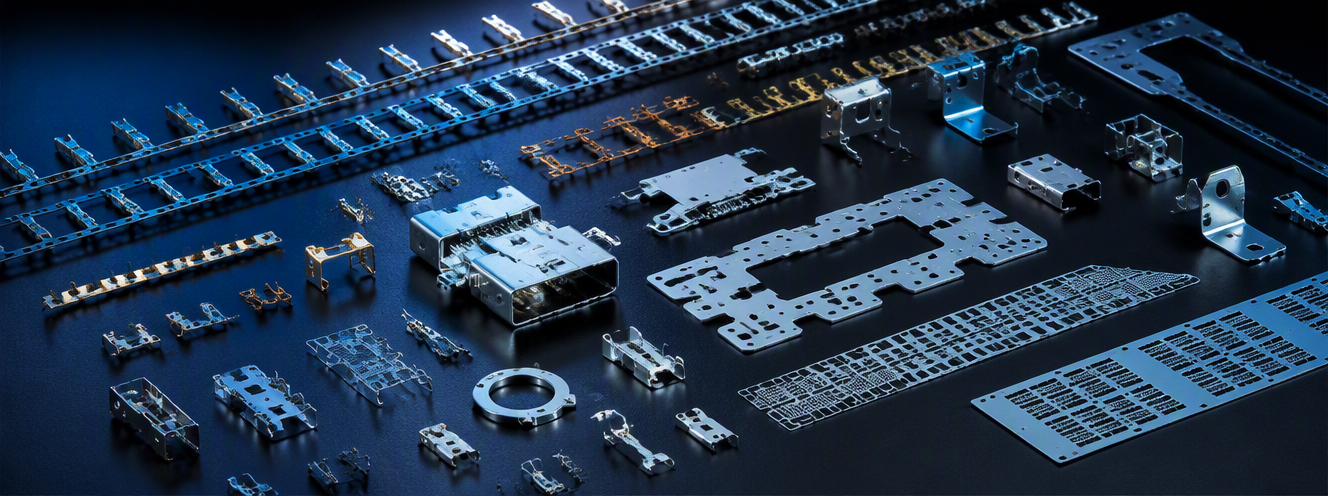
Connector terminals in phosphor bronze (C5191) at 0.3mm requiring pitch accuracy within ±0.01mm for high-density PCB insertion, and lead frames in copper alloy where burr-free edges prevent short-circuit paths in overmolded semiconductor packages.

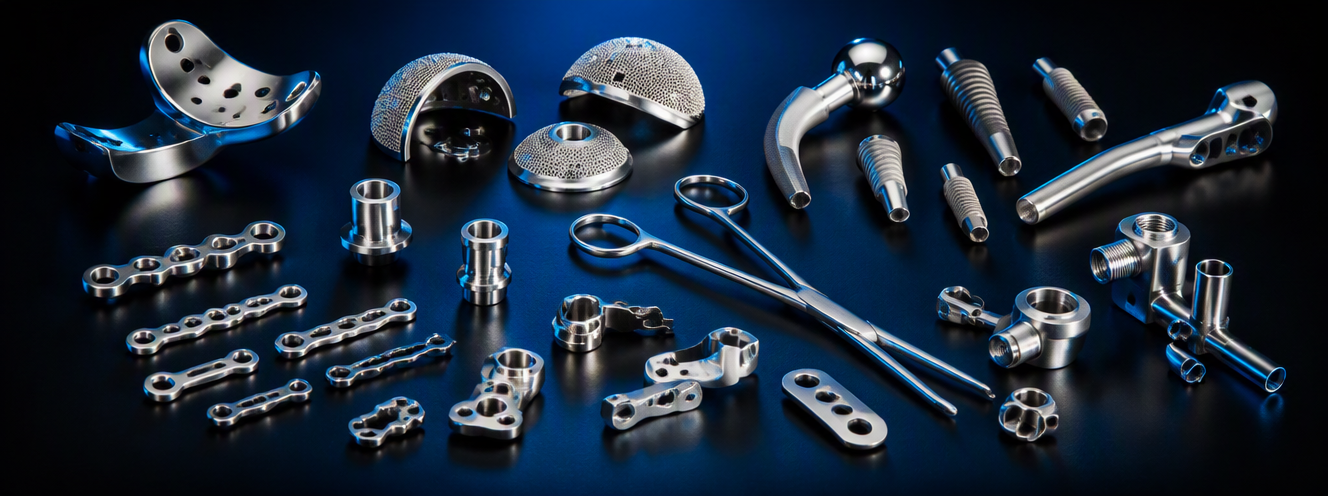
Surgical instrument components in 420 stainless steel at 3mm requiring burr-free edges for biocompatibility and autoclave readiness, and diagnostic-equipment precision plates where hole-to-hole positioning at ±0.02mm ensures sensor alignment in assembled instruments.

Industrial clutch friction plates in C60 at 8mm, agricultural-equipment sprockets in 16MnCr5 at 12mm, and aerospace structural brackets in S500MC — components where replacing flame-cut-and-machined processes with fine blanking cuts lead time from weeks to days and per-part cost by up to 60%.
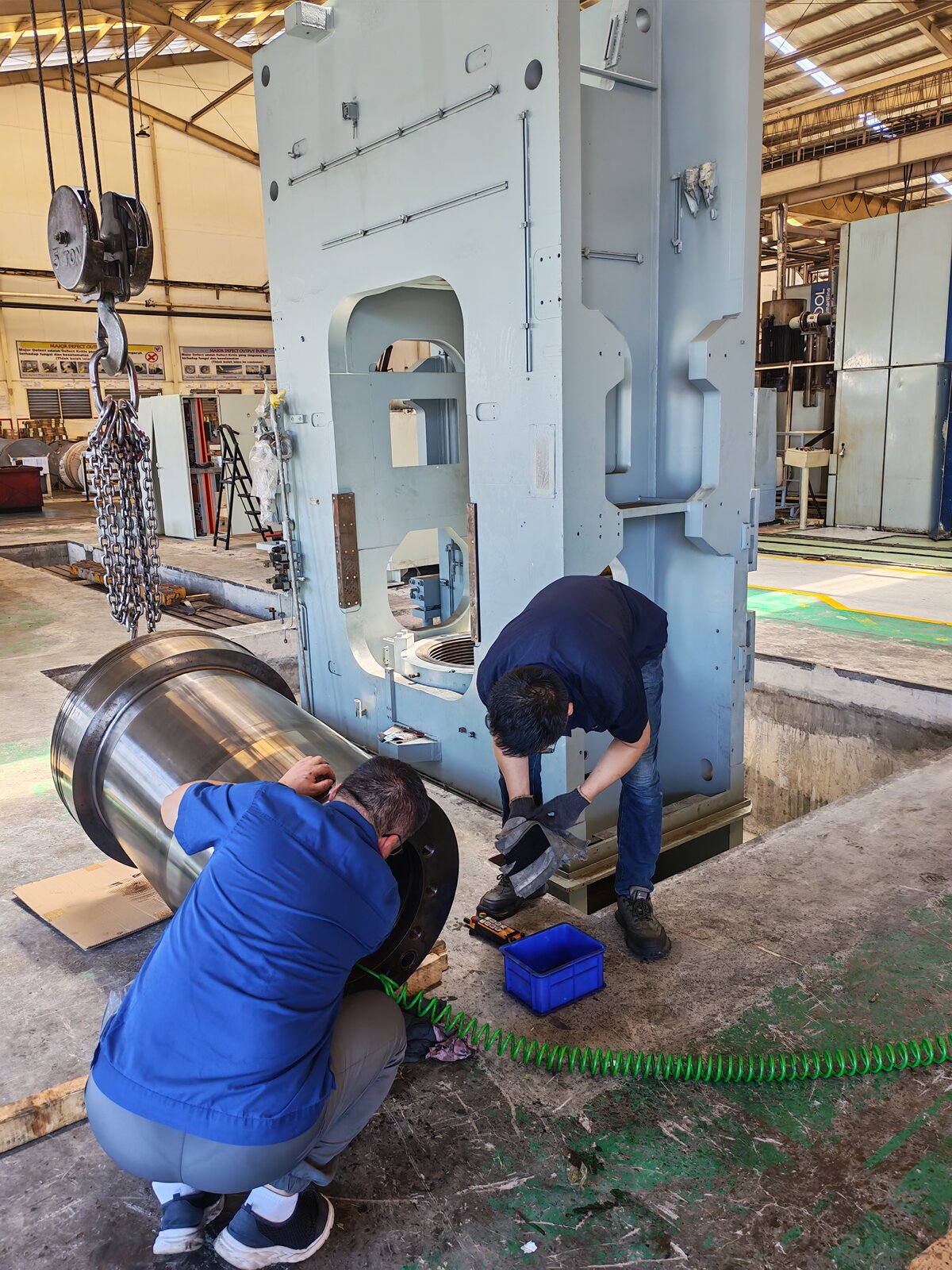
When a 15-year-old Feintool XTF or GKP press starts losing counter-pressure repeatability, plant managers face a choice: pay OEM service rates for a partial fix, replace the machine entirely, or call HS-FINEB. Our field service division restores Feintool, Mori, Schuler, Hydrel, Osterwalder, Asahi-Seiki and Nagano Seiko presses to 70-85% of original capability at 30-45% of replacement cost.
Every refurbishment begins with a documented condition report — hydraulic circuit pressure test, ram parallelism measurement, guide-column wear assessment and control-system diagnostic. We deliver a fixed-scope proposal with line-item costs before any work begins, so you can compare it directly against an OEM quote or a new-press capital request.

On-site press refurbishment and retrofit service
Four decades of fine blanking press engineering — not assembly, not trading. Every HF-series machine is configured around the buyer's part, die and production target, then manufactured in our own facility under ISO 9001:2015 process control.
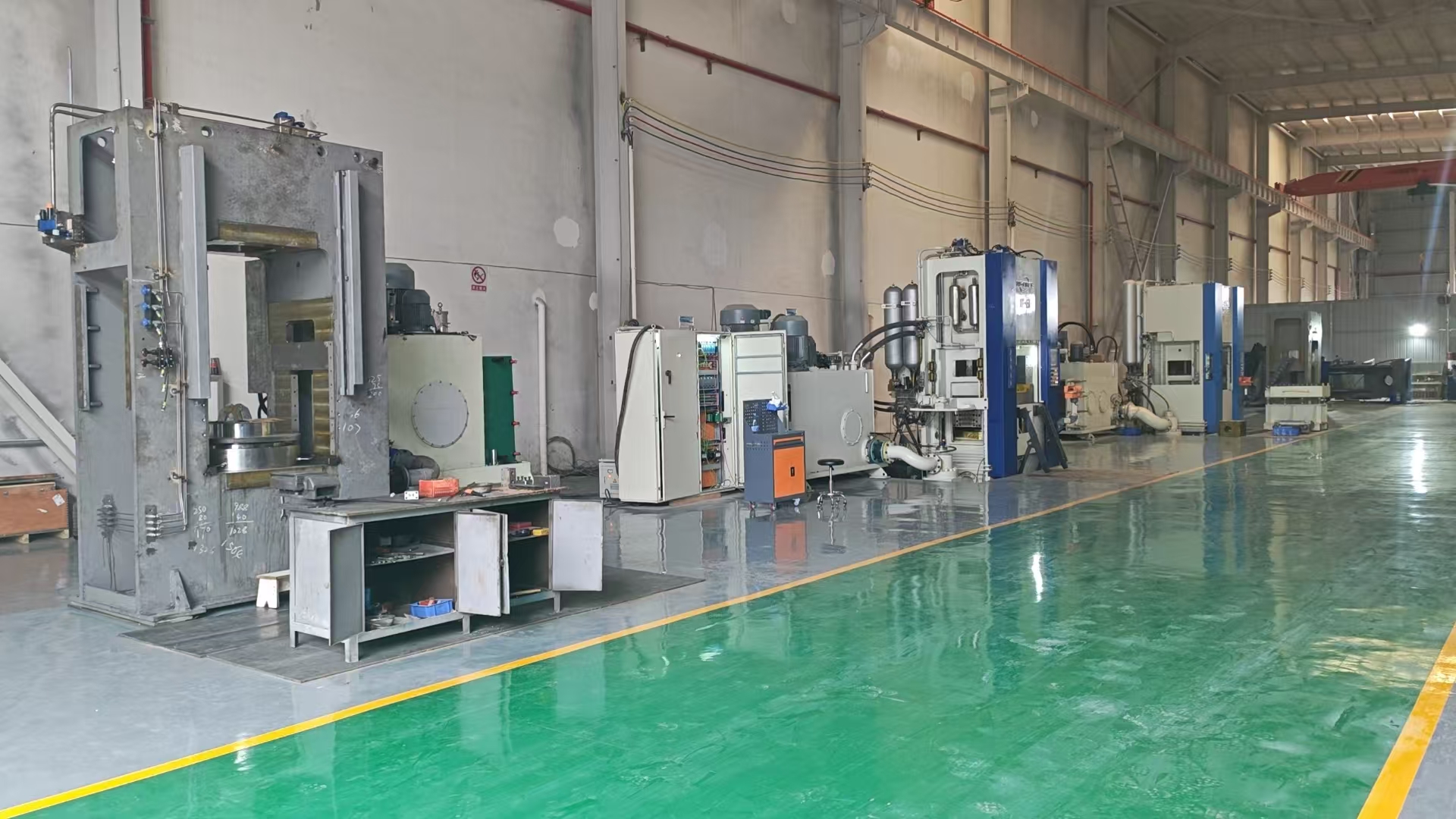
For nearly 40 years, HS-FINEB has designed and built fine blanking presses from 200T to 1200T. Our 30,000+ m² facility in Huangshi, Hubei houses the engineering team, CNC machining center, hydraulic test bench and assembly floor under one roof — meaning every ram, column and hydraulic manifold is manufactured, tested and integrated in-house, not sourced from third-party catalogs.
When you send a part drawing, our engineers calculate the exact blanking force, V-ring impingement requirement and counter-pressure ratio your material and geometry demand — then specify the platform, die envelope and feed system together. This is why buyers moving from conventional stamping or machining to fine blanking choose HS-FINEB: we engineer the process, not just ship a machine.

Send your drawing, material grade, thickness and annual volume. Within one business day, our engineers will return a platform recommendation, force calculation, die-envelope match and coil-feeding specification — or a refurbishment assessment if you're restoring an existing press.
Deep-dive guides and engineering references for fine blanking professionals
Triple-action hydraulics, V-ring stinging, counter-pressure — the engineering principles behind perfect parts.
Progressive and compound die architecture, carbide inserts, die-roll control and maintenance intervals.
From C45 to S700MC — shear strength, elongation and edge-crack ratings for 20+ fine blanking steels.
Force calculation, tonnage selection, ROI analysis and a 12-point inspection checklist for used presses.
Coil feeding, lubrication, press, scrap management and stacking — configure a full fine blanking line.
Vibratory finishing, belt grinding and brush deburring equipment for die-roll-free part edges.
Real-world fine blanking projects — brake calipers, seat recliners, gears and clutch plates.
Answers to the 12 most asked questions about fine blanking machine selection, operation and maintenance.
Brake caliper plates, ABS sensor rings and pad shims — 100% shear edges for safety-critical components.
Recliner gears, locking pawls and slide rails — 30,000+ cycle life with AGMA Q8 precision.
Spur, helical and planetary gears fine-blanked to AGMA Q8-9 — eliminating hobbing under module 3.
Lock cylinder keyways, bolt teeth and tumbler plates with micron-level precision in a single stroke.
Burr-free terminals, contact pins and EMI shields at 0.1mm feature sizes for high-density electronics.
Complete gear production: die design, material selection, force calculation and post-blanking heat treatment.
Caliper body blanks, mounting brackets and piston bores — 40-60% material savings vs CNC from billet.
Gear segments, locking pawls and cam plates — assembly-ready blanks in a 4-station progressive die.
XTF, MJP and GKP press restoration at 35% of OEM replacement cost — hydraulics, CNC retrofit, guiding.
Mori Iron and Mori Seiki cylinder rebuild, guiding restoration and CNC retrofit by brand-specialist engineers.
Toggle kinematics, servo-hydraulic sync and Beckhoff retrofit for Schuler MST and FBA fine blanking presses.
Multi-station progressive fine blanking dies for high-volume gears, pawls and complex geometries at 60+ SPM.
Tumbling, brushing, belt grinding and ultrasonic deburring for Ra 0.4 edge finishes on fine-blanked parts.
Battery trays, motor laminations and structural EV components from AHSS and aluminum via fine blanking.
Harmonic reducer flexsplines, joint gears and precision cams for humanoid robotics at IT7-8 tolerances.
Stainless steel bipolar plates for PEM hydrogen fuel cells at 0.1mm channel precision and zero burr.
EV motor stator and rotor core laminations from electrical steel at sub-0.5mm thickness with interlocking.
Systematic fault diagnosis for tear-out, die-roll, burr height and positioning errors with corrective actions.
Certified pre-owned Feintool, Mori and Schuler presses with full refurbishment, warranty and installation.